
_0b6494.png)
_5c07e1.png)
_0d1bd3.png)
_75149d.png)
The Care That Dares Not Speak Its Name

By Mariana Oliveira in Palliative Care
· 1,184 views
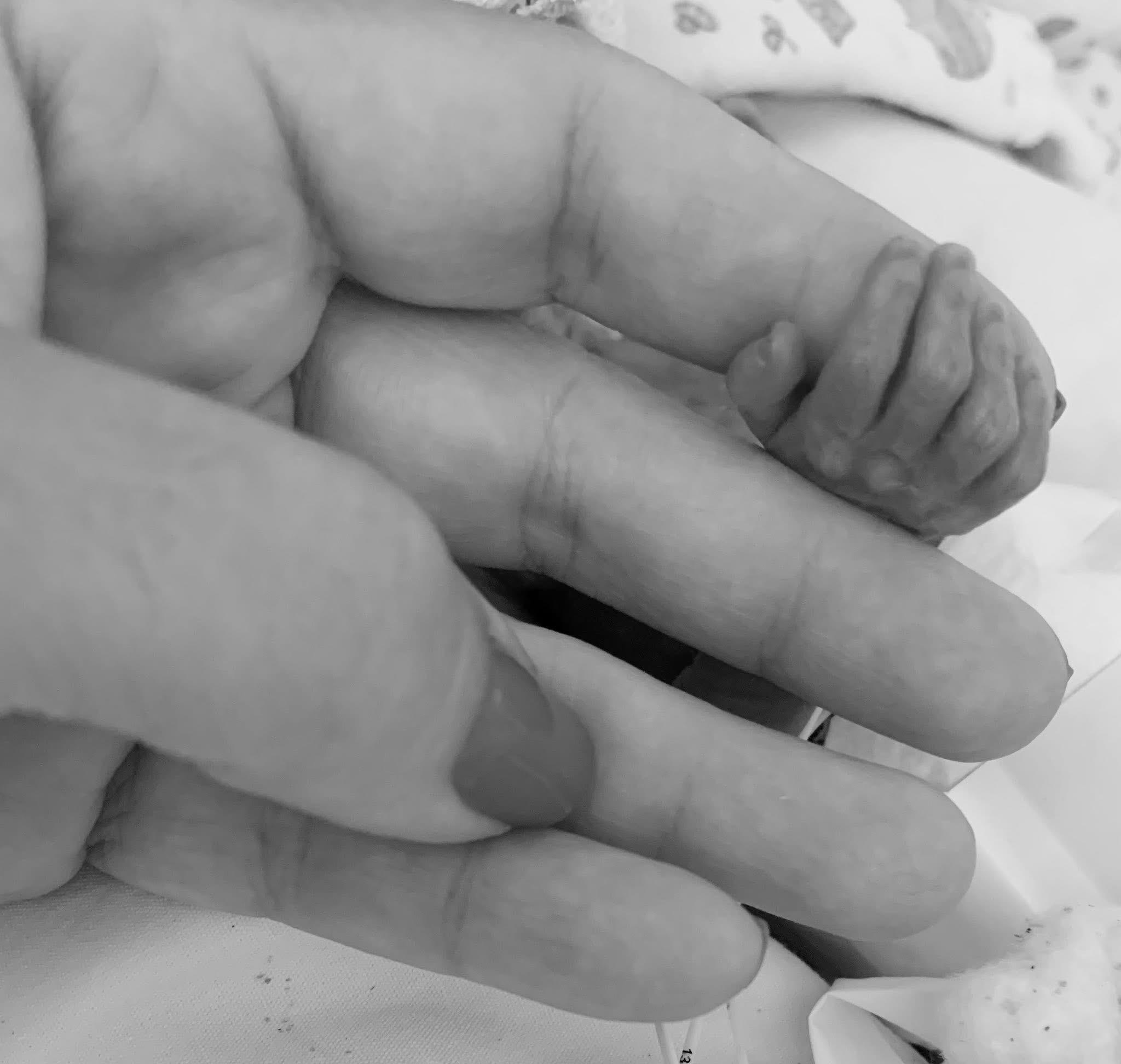
This week I cared for two pediatric patients, both under two years old, each diagnosed with a severe inborn error of metabolism carrying a limited, though uncertain, prognosis. For both families, I recommended a consultation with the pediatric palliative care team. In each case, the parents visibly recoiled at the word “palliative” — a reaction that underscored how far we still have to go in improving care for children with complex chronic conditions. A brief note on my own background may help clarify where this perspective comes from. I trained as a neonatologist and, over the two decades since completing my residency, practiced exclusively in the neonatal ICU (NICU). Two months ago, I took on an academic position in pediatrics, and since then my time has been split between the NICU and the general pediatric ward.
As a neonatologist, there is a reflection rarely put into words, yet one that every neonatologist carries into daily practice: we are, by nature, palliativists. Prematurity is not cured — it is followed, and managed. There is no treatment that reverses the immaturity of a brain, a lung, or an intestine born before their time; what exists is support, time, vigilance, and, above all, the building of a path alongside the family while that newborn’s organs mature — or do not. Every individualized care plan, every conversation about the limits of intervention, every shared decision about what to do in the face of a serious complication is, in its essence, an exercise in palliative care, even if it is rarely called by that name inside the NICU. Recognizing this is not a semantic exercise: it is recognizing that the specialty was born palliative, and that denying this denies part of what it has of greatest value to offer.
Offering early palliative care, then, is not offering resignation. It is offering the family everything it needs to give that child a life of quality, of dignity, and a real chance to develop to the fullest extent of their own potential — whether that potential is measured in years of life, in weeks, or in one peaceful afternoon held in someone’s arms. It is controlling pain. It is explaining, without euphemism and without cruelty, what is happening. It is helping parents make decisions they can live with afterward, without the added weight of regret over not having been informed in time. It is allowing a family to live whatever time they have with that child as fully as possible, rather than living it under a protective silence that, paradoxically, tends to protect less than it wounds.
And yet, there is a misunderstanding that runs through clinics, hospital wards, and family conversations across Brazil: the idea that palliative care is synonymous with end-of-life care. This misconception, as deeply rooted as it is unspoken, is one of the greatest obstacles keeping children with severe chronic illness — and their families — from receiving, early on, the support they need in order to live, not to die. In Latin American culture, severe chronic pediatric illness and death occupy an almost unspeakable place. People say little, avoid naming things, and shield the child and family from the weight of words, as if silence itself were a form of care. A cultural Catholicism runs across generations, even where the faith actually practiced is a different one, lending suffering a sense of a trial to be endured rather than one to be relieved in advance. Within this worldview, calling in the palliative care team is, for many families and no small number of professionals, an announcement of defeat — as if the word and the prognosis were the same thing, as if naming palliative care hastened the outcome that is feared.
This confusion carries a real cost. Palliative care and end-of-life care are not synonyms, nor are they mutually exclusive. End-of-life care is one possible stage, not the whole of palliative care. Palliative care is, above all, a philosophy of care that follows the trajectory of an illness from the moment of diagnosis, working alongside curative or disease-modifying treatment where that exists, and standing alone when it is no longer possible. Introducing it early does not mean giving up: it means adding a layer of support — symptom control, honest communication, psychosocial support, shared care planning — across the child’s entire trajectory, whether they are in a phase of intensive treatment, prolonged stability, or terminal illness. Postponing that conversation until only end-of-life remains is to deprive the family of the years, months, or weeks in which that support could have made a real difference to quality of life.
But this misunderstanding does not live only among families — it also lives, powerfully, within the health care team itself. Physicians, nurses, and other professionals, trained within a culture that treats death as a therapeutic failure, frequently reproduce the same mistaken equation: bringing in the palliative team means admitting that “there is nothing left to be done.” This belief, internalized over the course of clinical training, delays referrals, postpones difficult conversations, and causes palliative care to arrive too late — at a point when it is no longer possible to build a care plan together with the family, only to manage a crisis. Changing this culture, then, begins inside the hospital itself: teams need to be trained to recognize that recommending palliative care early is an act of clinical competence and of care, not a sentence. ICU leaders, residents, and preceptors need to model this integration in everyday practice, normalizing the palliative care specialist’s presence as part of the multidisciplinary team from the very start of a serious illness’s trajectory — not as the team called in last, once the outcome has already been sealed.
Changing this culture takes time, and it takes language. It requires that professionals themselves stop reserving the word “palliative” for final moments and instead integrate it, naturally, into the routine care of any serious, chronic, or potentially life-limiting illness — including, and especially, extreme prematurity. It requires medical training that treats pediatric palliative care as a structural part of care, not as a somber appendix to be invoked only when nothing else is left. And it requires, from all of us, the courage to name what we do from the very first day: caring for an entire life, however brief or however long it turns out to be.
Disclosure: This text was originally written in Portuguese, and used LLM-AI to aid with translation. You can read the original text (and my original voice) below.
O cuidado que não ousa dizer o próprio nome
Essa semana eu atendi dois pacientes pediátricos, ambos com menos de dois anos de idade em que diagnosticamos erros inatos do metabolismo graves e com prognósticos reservados, ainda que de duração incerta. Para as duas famílias, eu ofereci a consultoria e o apoio da equipe de cuidados paliativos pediátricos. As duas famílias praticamente se encolheram ao escutar a palavra paliativo e isso me fez pensar que temos um longo caminho pela frente para qualificar o cuidado da criança com condições complexas crônicas. Vou explicar um pouco do meu contexto, para deixar claro qual a minha percepção de cuidados paliativos. Sou neonatologista de formação, desde a residência, que completei há 20 anos, trabalhei exclusivamente na UTI Neonatal. Há dois meses, iniciei uma posição acadêmica em pediatria e, desde então, tenho dividido meu tempo entre incubadoras e a internação pediátrica.
Como neonatologista, há uma reflexão que raramente se verbaliza, mas que todo neonatologista carrega na prática cotidiana: somos, por natureza, paliativistas. A prematuridade não se cura — ela se acompanha, se maneja. Não existe um tratamento que reverta a imaturidade de um cérebro, de um pulmão, de um intestino nascidos antes da hora; existe suporte, tempo, vigilância e, sobretudo, a construção de um caminho junto à família enquanto o organismo daquele recém-nascido amadurece — ou não. Cada plano de cuidado individualizado, cada conversa sobre limites de intervenção, cada decisão compartilhada sobre o que fazer diante de uma intercorrência grave é, na sua essência, um exercício de cuidado paliativo, ainda que raramente chamado por esse nome dentro da UTI neonatal. Reconhecer isso não é um exercício semântico: é reconhecer que a especialidade já nasceu paliativista e que negar isso é negar parte do que ela tem de mais valioso a oferecer.
Oferecer cuidado paliativo precoce, então, não é oferecer resignação. É oferecer à família tudo o que ela precisa para dar àquela criança uma vida com qualidade, com dignidade e com a chance real de se desenvolver até o limite do seu próprio potencial — seja esse potencial medido em anos de vida, seja em semanas, seja em uma tarde tranquila no colo. É controlar a dor. É explicar, sem eufemismos nem crueldade, o que está acontecendo. É ajudar os pais a tomar decisões que possam sustentar depois, sem o peso adicional do arrependimento por não terem sido informados a tempo. É permitir que uma família viva o tempo que tiver com aquela criança da forma mais plena possível, em vez de vivê-lo sob o silêncio protetor que, paradoxalmente, costuma proteger menos do que fere.
Entretanto, há um mal-entendido que atravessa consultórios, enfermarias e rodas de família brasileiras: a ideia de que cuidado paliativo é sinônimo de fim de vida. Esse equívoco, tão arraigado quanto silencioso, é um dos maiores obstáculos para que crianças com doenças crônicas graves e suas famílias recebam, desde cedo, o suporte que precisam para viver — não para morrer. Na cultura latino-americana, a doença pediátrica crônica grave e a morte ocupam um lugar quase indizível. Fala-se pouco, evita-se nomear, protege-se a criança e a família do peso das palavras como se o silêncio fosse, ele próprio, uma forma de cuidado. Há um catolicismo cultural que atravessa gerações, ainda que a fé praticada seja outra, e que empresta ao sofrimento um sentido de provação a ser suportada, não necessariamente aliviada com antecedência. Nesse imaginário, chamar a equipe de cuidados paliativos é, para muitas famílias e não poucos profissionais, um anúncio de derrota — como se palavra e prognóstico fossem a mesma coisa, como se nomear o cuidado paliativo apressasse o desfecho que se teme.
Essa confusão tem um custo concreto. Cuidado paliativo e cuidado de fim de vida não são sinônimos, tampouco são excludentes. O cuidado de fim de vida é uma etapa possível, não a totalidade do paliativismo. Cuidado paliativo é, antes de tudo, uma filosofia de cuidado que acompanha a trajetória da doença desde o diagnóstico, atuando em paralelo ao tratamento curativo ou modificador quando ele existe, e sozinho quando ele não é mais possível. Introduzi-lo precocemente não significa desistir: significa somar uma camada de suporte — controle de sintomas, comunicação honesta, suporte psicossocial, planejamento compartilhado de cuidados — à trajetória inteira da criança, esteja ela em fase de tratamento intensivo, de estabilidade prolongada ou de terminalidade. Adiar essa conversa para o momento em que só resta o fim de vida é privar a família de anos, meses ou semanas em que esse suporte poderia ter feito diferença real na qualidade de vida.
Mas esse mal-entendido não mora apenas nas famílias — ele também habita, com força, dentro da própria equipe de saúde. Médicos, enfermeiros e demais profissionais, formados em uma cultura que trata a morte como fracasso terapêutico, frequentemente reproduzem a mesma equação equivocada: acionar a equipe de paliativos é admitir que "não há mais nada a fazer". Essa crença, internalizada ao longo da formação técnica, atrasa encaminhamentos, adia conversas difíceis e faz com que o cuidado paliativo chegue tarde demais — quando já não é mais possível construir junto à família um plano de cuidado, apenas administrar uma crise. Mudar essa cultura, portanto, começa dentro do próprio hospital: é preciso capacitar equipes para reconhecer que indicar paliativismo precocemente é um ato de competência clínica e de cuidado, não uma sentença. É preciso que líderes de UTI, residentes e preceptores modelem essa integração no dia a dia, normalizando a presença do paliativista como parte da equipe multiprofissional desde o início da trajetória de uma doença grave, e não como o time chamado por último, quando o desfecho já está selado.
Mudar essa cultura exige tempo e exige linguagem. Exige que os próprios profissionais deixem de reservar o termo "paliativo" para os momentos finais e passem a integrá-lo, com naturalidade, à rotina de qualquer doença grave, crônica ou potencialmente limitante — inclusive, e sobretudo, à prematuridade extrema. Exige formação médica que trate paliativismo pediátrico como parte estrutural do cuidado, não como um apêndice sombrio a ser acionado somente quando não resta mais nada a fazer. E exige, de todos nós, coragem para nomear o que fazemos desde o primeiro dia: cuidar de uma vida inteira, por mais breve ou por mais longa que ela venha a ser.
-
 2
2
Recommended Comments