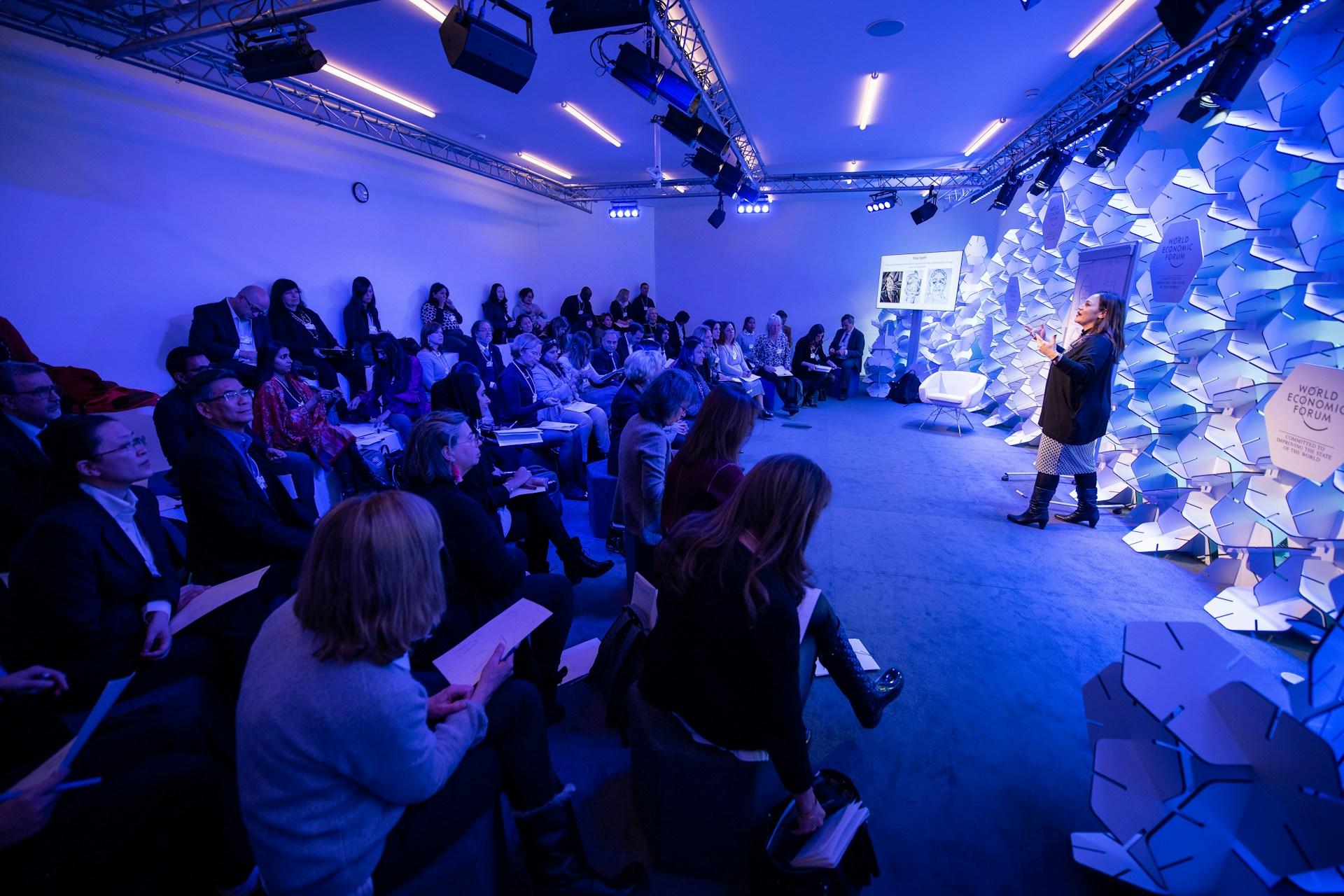
Thanks to all visiting our space in the Meet & Connect Zone at CEPAS! See you next time 😀
CEPAS Topics
-
Key Takeaways from the Pharmacology, Neurology & Neonatal Exposures Session We have reached the end of an incredible day at CEPAS 2026! The final session delivered fascinating insights into pharmacology, the microbiome, and early neuroprotection. We were also thrilled to see one of our very own 99nicu team members take the stage! Here is the breakdown of the core messages from the final session: Neonatal Opioid Safety Attitudes: Türkiye vs. the UK (Esra Ardahan Akgül) A cross-sectional study
-
This was a strong session with three speakers who looked at AI from three angles. Geraldine Boylan covered what it can already do, Sampsa Vanhatalo covered what we should ask of it, and Petra Hüppi covered what imaging can tell us about mechanisms. Two of the three opened by saying “I’m not an AI expert”, which suited a session that cared more about clinical questions than about technology. 1. AI for neonatal seizure detection — Geraldine Boylan (Cork, Ireland) The case. A term baby had a marked
-
This was a packed NEC session. It moved from the microbiome to the bench, then to future trials, a national probiotic cohort, and the brain. One message ran through every talk: NEC is probably not one disease. Until we treat it as a group of subtypes, prediction, prevention and trials will keep struggling. 1. The influence of the microbiome on development of NEC Daphne Klerk (Netherlands) Daphne gave a clear tour of 15 years of NEC microbiome research. The early 16S era (2013–2017): Studies were
-
This was a short, interactive session from EBNEO (Evidence-Based Neonatology) by Dr Kiran Shrivastava and Prof Gautham Suresh on low-value care. It drew lively input from an audience working in very different health systems: India, the US, the UK, Sweden and the Netherlands. What is low-value care? There is no single agreed definition. A working one is: any intervention where the evidence suggests little or no benefit to the patient. It can take three forms: Ineffective: it works in some subgrou
-
Ann-Marie Brennan gave a clear tour of the human milk fortification evidence, built around three questions: which fortifier, how to fortify, and when to start. She ended with the Irish national experience of integrating fortification with parenteral nutrition. Why fortify at all Unfortified human milk at 150–180 ml/kg/d provides only about 2–2.3 g/kg/d of protein. Even at very high volumes it covers only around 50–60% of the lower ESPGHAN limit for calcium and phosphorus. Multinutrient fortific
-
Health and socioeconomic characteristics underlying educational attainment of children born preterm (James Boardman, UK) Background In the UK, 27% of children live in poverty after housing costs, which is about 4.3 million children. That figure has risen since 2010. The EU’s at-risk-of-poverty-or-social-exclusion figures are similar on average, ranging from about 12% in Slovenia to about 35% in Bulgaria. In earlier work, his group used parent reports at age 2 to define four developmental cluste
-
Key Takeaways from the Advanced Monitoring & Point-of-Care Diagnostics Session We have officially wrapped up the final afternoon session of the day, and it was a fantastic glimpse into the future of neonatal intensive care! The focus was entirely on cutting-edge, non-invasive monitoring and how we can bring real-time physiological data directly to the delivery room and the bedside. Here is the breakdown of the core messages from our final three speakers: Cerebral Oxygenation Monitoring / NIR
-
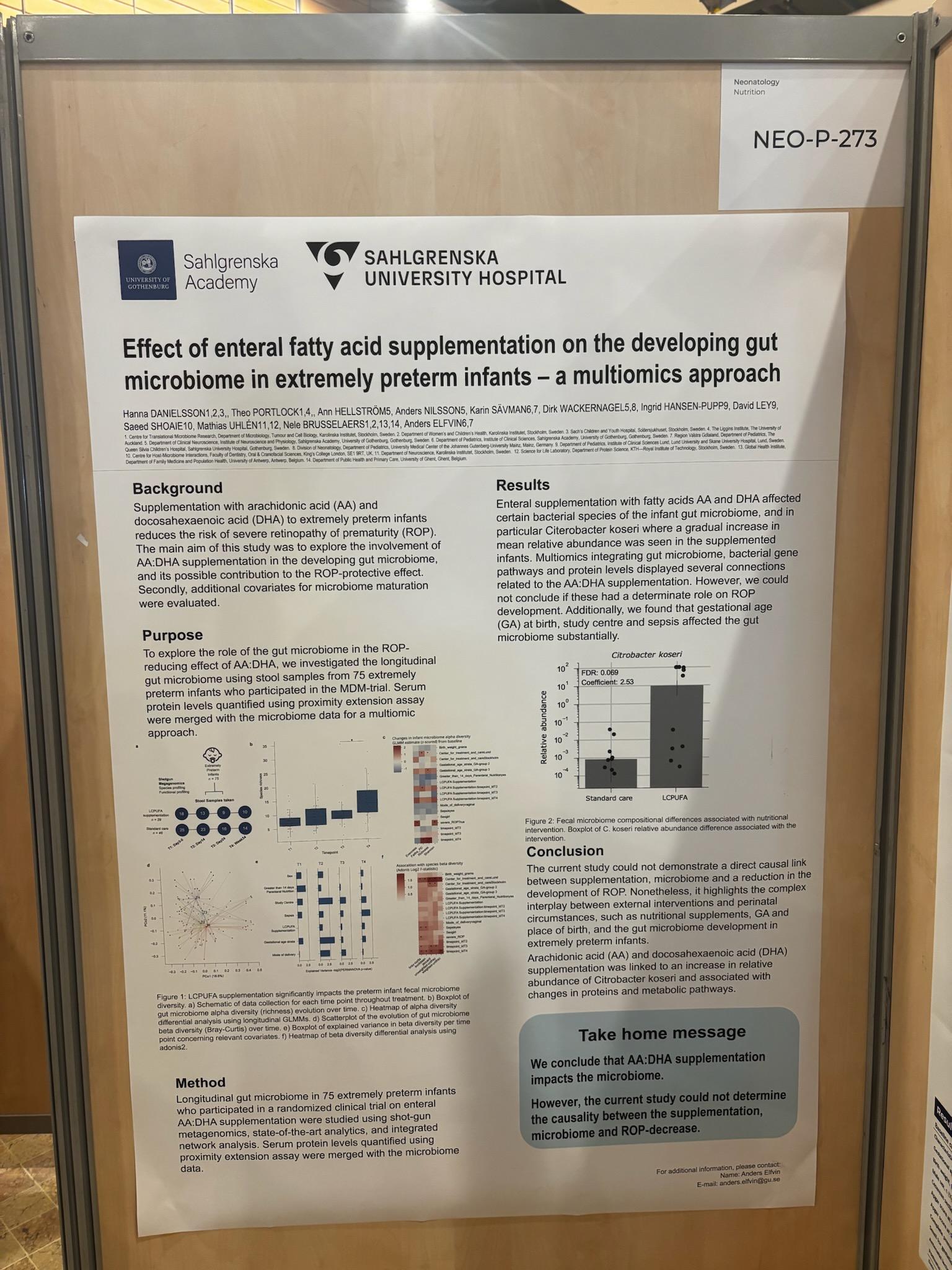
This CEPAS poster presents data on the effects of enteral arachidonic acid (ARA) and docosahexaenoic acid (DHA) supplementation on the developing gut microbiome. The researchers analysed stool samples from 75 extremely preterm infants participating in the MegaDonnaMega trial of ARA/DHA supplementation, using a multiomics approach. In short, they combined microbiome, bacterial gene pathways and protein analyses. ARA/DHA supplementation was associated with changes in gut microbiome composition. Th
-
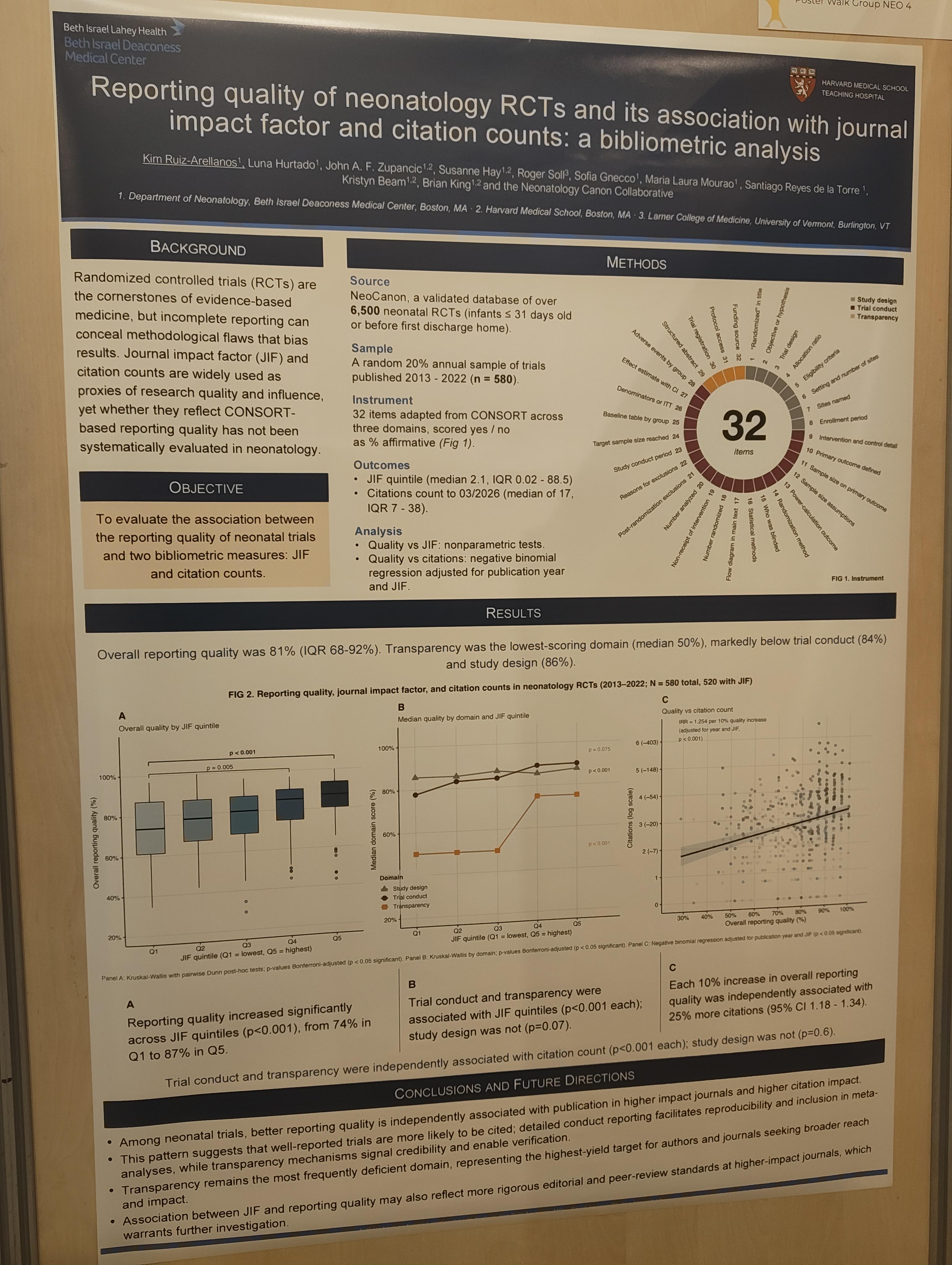
This study explored the reporting quality of randomized controlled trials (RCTs) and its association with journal impact factor and citation counts. In total, the research team evaluated 580 RCTs published between 2013 and 2022, using 32 reporting items adapted from CONSORT guidelines. Overall reporting quality was relatively good, with a median score of 81%. However, transparency was the weakest area, scoring only 50%, compared with 84% for trial conduct and 86% for study design. Reporting qual
-
Hi everyone, checking in from the neonatal neurology sessions at CEPAS here in Lyon! We just wrapped up a fantastic morning diving deep into neurocritical care and early intervention. For those who couldn't be here, I wanted to share a quick summary of the core take-home messages from our first two speakers, along with some points to chew on. What is Neurocritical Care and who are the babies at risk? (Lina Chalak, USA) NIRS as a CO2 Proxy: Dr. Chalak highlighted using near-infrared spectroscopy
-
NB: We are grateful to the speakers for openly sharing their own unit protocols and day-to-day practices. With so little evidence for babies at 22–23 weeks, describing in detail “how we do it” takes generosity and a certain vulnerability. We hope readers will treat these protocols as a starting point for discussion and shared learning, not as material for judgement. Questions, comparisons with your own practice, and different approaches are all very welcome in the thread below. This European Sch
-
Silke Mader opened the workshop with the parents’ perspective, speaking both as the mother of a preterm baby (four and a half months in the NICU) and as a former preschool teacher. A global study on this topic is underway but has no results yet. She therefore drew on feedback from parent organisations in different countries. Her core message: parents are not visitors. It is their baby, and real involvement starts with very basic, practical conditions. Understand the parents’ situation Parents ar
-
The first afternoon session dives deep into some of neonatology's most enduring debates: managing the PDA and navigating the extreme pharmacological complexities of vasoactive drugs in premature infants. Here is a breakdown of the core messages from each speaker: Pharmacological Management of PDA (Gilles Cambonie) The debate over managing presymptomatic PDAs in extreme preterms continues. Prophylactic or early routine pharmacological treatment (within the first two weeks) is generally not recomm
-
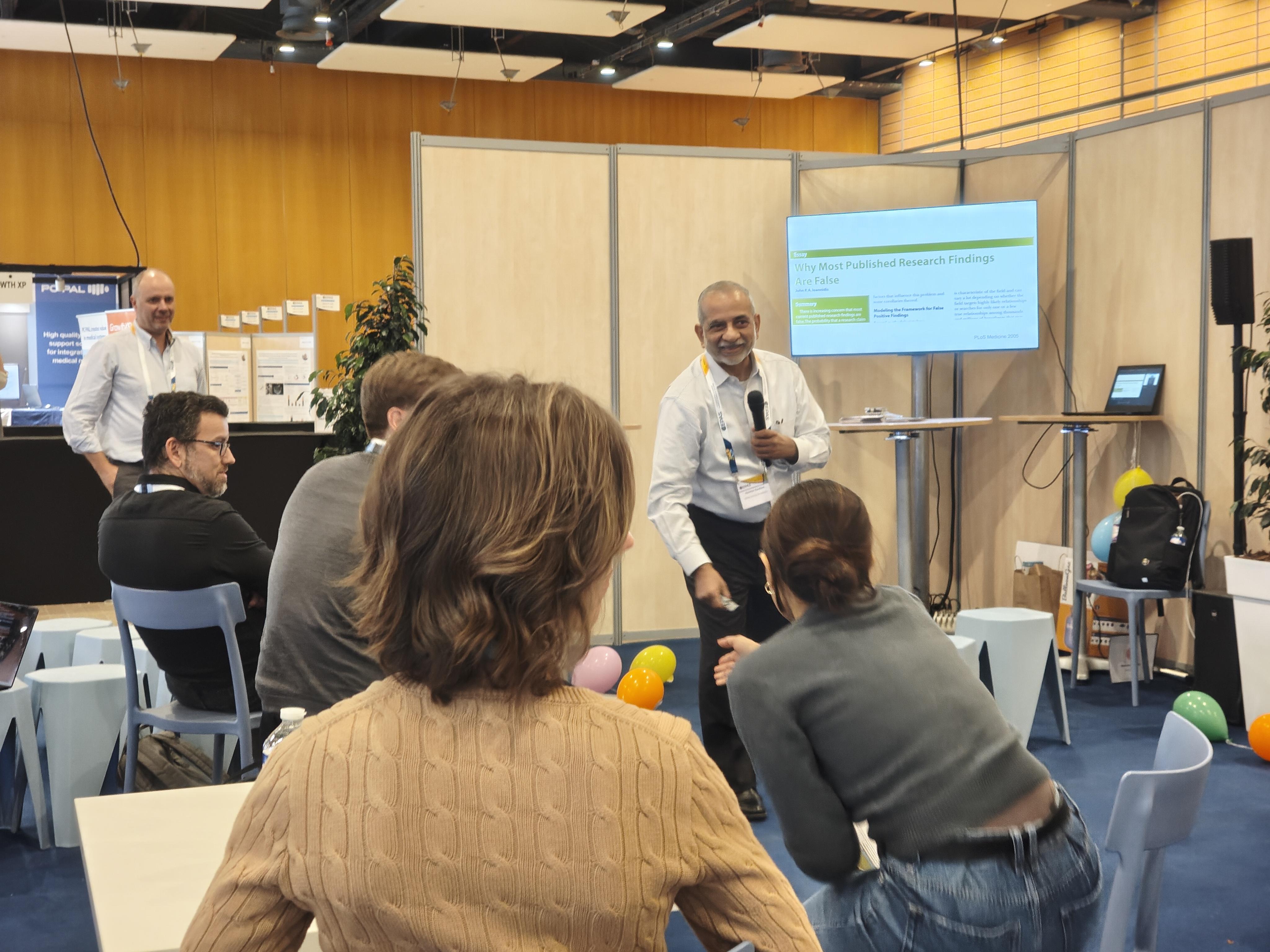
EBNEO had a thought-provoking session at the CEPAS conference, "Trustworthiness and Spin in Academic Publishing" Prof Gautham Suresh, president of EBNEO, dissected the importance of critical appraisal in clinical research and evidence-based practice. One key message was that good research starts with good study design, not with data analysis. Pre-specifying hypotheses and statistical analysis plans helps prevent p-hacking, selective reporting and the temptation to make the results fit the hypoth
-
What an incredible morning session here at CEPAS! We just wrapped up a packed HIE-block covering everything from late-preterm cooling debates to trial integrity and family-centered neurocritical care. For those following our live reporting, here is a quick breakdown of the core messages from each talk: Therapeutic Hypothermia in Late Preterm Infants (Floris Groenendaal) Recent data highlights that there are higher risks and complications associated with cooling late preterm infants, calling int





CEPAS News
-
- 1 Comment
- 101 Views
-
- 0 Comments
- 176 Views
-
- 0 Comments
- 248 Views
-
- 0 Comments
- 282 Views