
_0b6494.png)
_5c07e1.png)
_0d1bd3.png)
_75149d.png)
(26).png.c97dc453b63ee0a4658a82af0237d93f.png)
The raw and unfiltered life of a grieving mother
By Nicholas Embleton in Neonatal Butterfly Project
· 113 views
I want to use the substack Butterfly project to increase awareness not just of ‘twin loss’ in the general public, but also share other stories of love and baby loss. I want healthcare professionals to hear from parents, and not just read my opinions or research experience. I have enjoyed a 35-year career in neonatal medicine, learning lots of science and clinical practice. Listening to parents made an enormous impact, and I want to share that with you. As a resident/fellow or neonatal nurse it is sometimes difficult to be in the ‘right place’ to hear these stories.
In addition to the Butterfly project which focuses on loss from a multiple pregnancy, I have been part of collaborations promoting ‘Lactation after Loss’ and ‘Managing Uncertainty in Perinatal Palliative Care’ where I have worked with professionals from other specialities and disciplines. You can access free online learning courses on each of these 3 topics although currently free access is limited to UK. I’m working on making them more globally available.
To create the courses I met lots of amazing parents (and some wonderful, caring professionals!) who were kind enough to share their deeply personal and sad experiences, and Dani also made a short 5’ video for the course. Dani had already written a book, set up a website and blog in memory of her baby Olivia-Grace, and I wanted to use this opportunity to introduce Dani’s journey.
Dani and Olivia-Grace
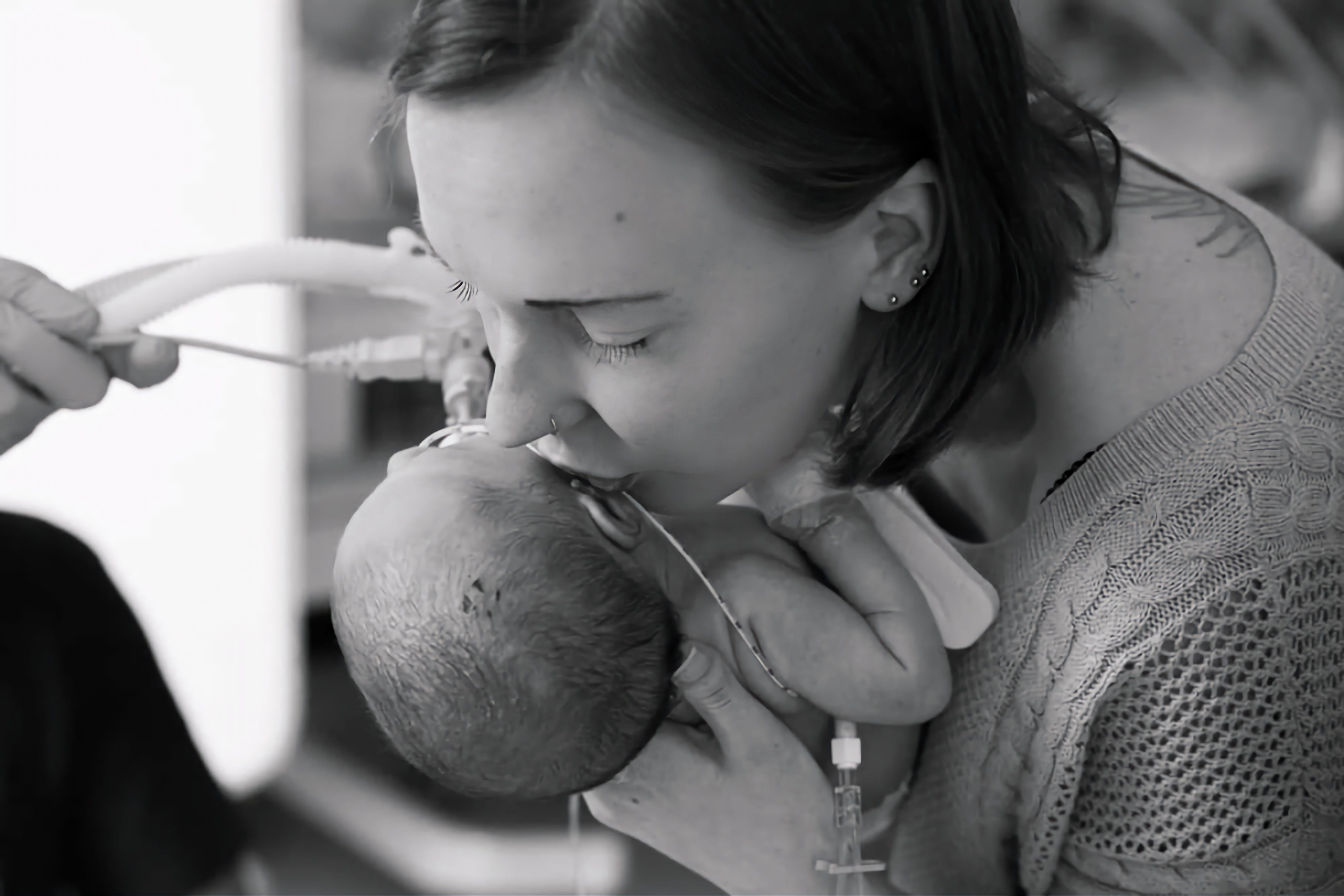
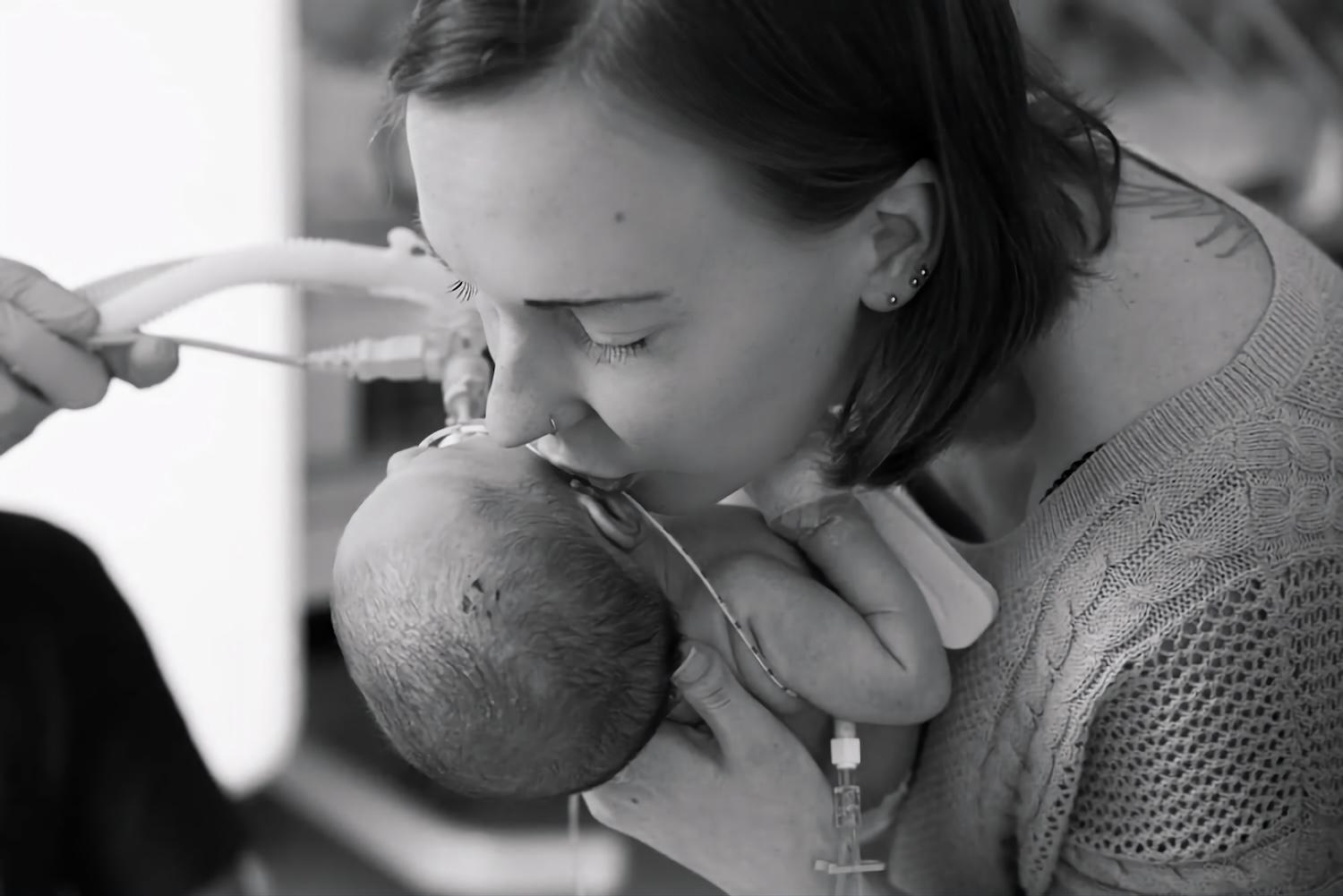
Where it all started. The founder of LoveandlossOG, the author of "A Loss Mum's Journal" and "Poems of a loss mum", and Olivia-Grace’s mummy. This is my story...
I went into spontaneous labour at 36 weeks exactly, though I had been having labour symptoms and extreme pain for a few days prior. At 35 +6, I spent all night up and down, trying to ease the constant discomfort I felt. The pain didn’t come in waves exactly, and as my first baby, it wasn’t what I imagined contractions to be like. I will never forgive myself for not knowing better, or going into the hospital sooner. Looking back, this type of pain may have been my first warning sign.
By 6am, I couldn’t talk through the pain. I couldn’t breathe. I went to the hospital and it was confirmed I was in labour. The contractions started to get more intense, and they felt like they were suffocating me. They came all the way to my throat. Was this normal? Should it hurt this much, or feel like this? I was terrified. I felt faint. I was losing all control. I had one particular spot on my bump that felt like a knife had gone through me. It was constant, relentless, agonising.
… deep down I knew something was wrong
At 10cm, my waters still hadn’t broken. They had been struggling to get a good CTG reading of my little miss’s heart rate, but were reassured that it differed to mine and that she was OK. Looking back, a false sense of security that would later be their biggest error in judgement. They broke my waters and a huge bloodied gush was released, and it was time to push. I couldn’t stop my body. It was like it knew what to do and that she had to get out. It all happened so fast. From 3cm to active pushing in under an hour... an unusual occurrence for a first baby I was told, but some women “just labour like this”.
I kept saying, “It’s too fast”. I think deep down I knew something was wrong. A while later, she was born. My beautiful baby girl. She was laid on my stomach but I couldn’t look. She didn’t cry. She never cried. They quickly moved her off me and handed her to the neonatal team. I will always be so grateful to them, because they gave me and her the gift of time. The gift of a chance. They acted so quickly, when they knew she had been starved of oxygen and required immediate resuscitation.
I was lost in a haze of confusion.
Pain. Shock. All I could hear was “...brain damage...brain damage...” Before I knew what was happening, she was taken away, blue lighted to the nearest NICU. The place we would call home for the next 5 weeks and 2 days....
My little miss suffered severe HIE. Hypoxic Ischaemic Encephalopathy. In basic terms, she suffered a lack of oxygen during labour which caused brain damage. Unfortunately for us, and for her, it was so catastrophic that it affected her most primal reflexes, such as protecting her own airway, swallowing, coughing. Our brain controls everything that keeps us alive. She suffered seizures, neuro irritability, blindness, inability to control blood pressure, and as a secondary consequence, she had bleeding elsewhere on her pituitary and adrenal glands, causing diabetes insipidus.
We all let her down… I think I will blame myself for a lifetime
I would later find out that this had happened because I had a concealed placental abruption during my labour, and I didn’t get her out in time. They didn’t see what was going on, and they didn’t get her out. We all let her down. If she had been born 10 minutes earlier, our story would look so different. My body failed to deliver her before the placenta, her very own lifeline, and I think I will blame myself for a lifetime. I am lucky I didn’t haemorrhage myself.
There is no cure, or a way to reverse brain damage, and currently the only treatment is a cooling therapy, to reduce the risk of secondary hypoxic damage. Babies’ brains are incredible little things, and they can rewire the neurons and create new pathways around the damaged parts of the brain, this is called neuroplasticity, but unfortunately for us, her damage was just too great. We spent a day at the hospice, where we took out her tracheal tube, the very thing keeping her alive, and let her pass away in our arms.
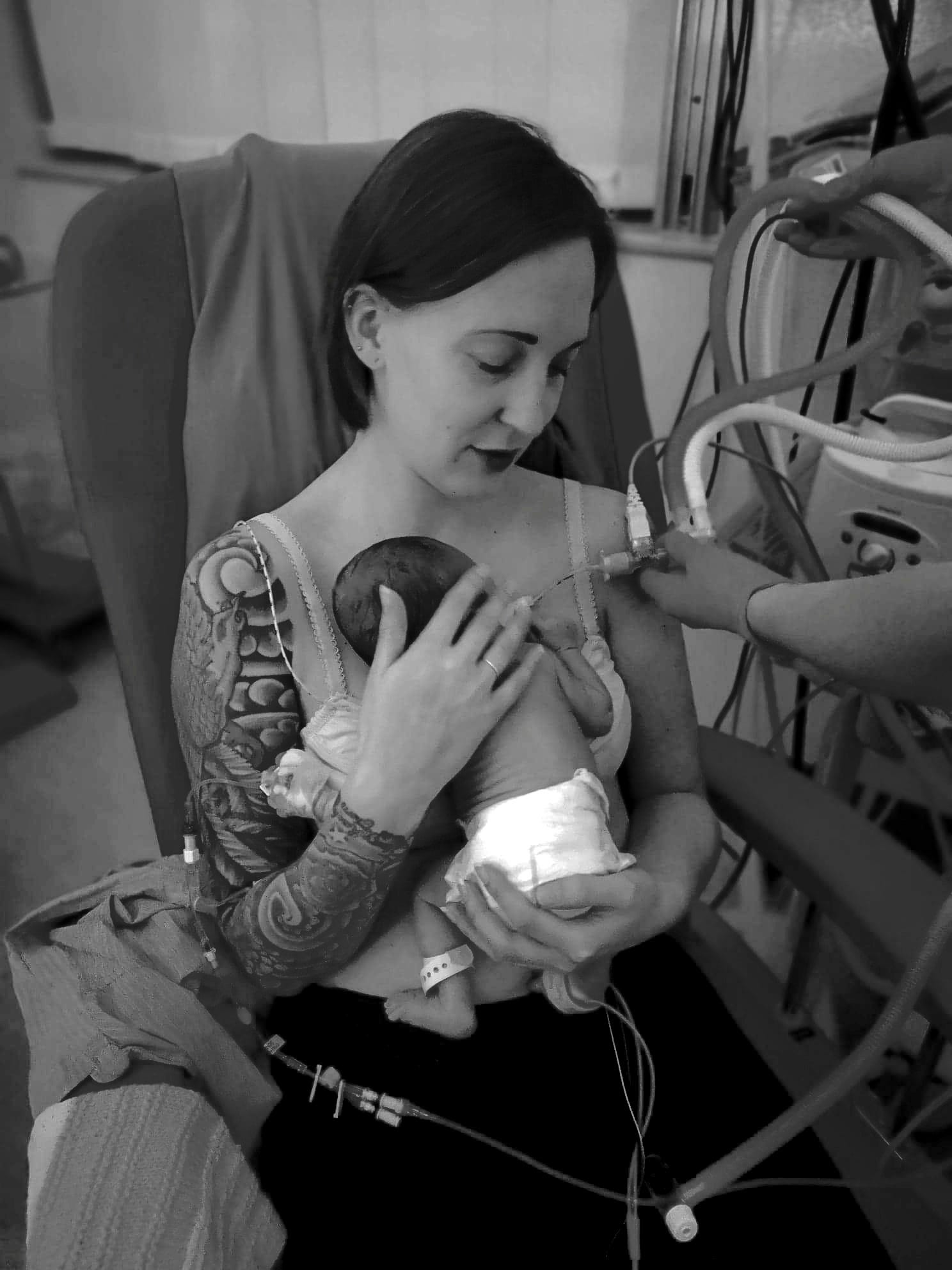
I never imagined in my worst nightmare that I’d get all the way to labour, only for a life changing emergency like this to happen, and I never thought I’d never bring her home. I just thought, she’ll fight and find a way to live, and we’ll learn to take care of her no matter what. I truly believed she would be a miracle, instead of an Angel. Yet here I am, 6 years on, raising awareness and working on a business in her memory. Six years of missing her, aching and lonely, with a hole in my heart that can never be repaired.
Trying to find the words to explain what it’s really like to live knowing your baby died.
Living with the trauma of her birth, the NICU, and holding your lifeless baby in your arms I’ll never forget the time we spent in the NICU, the wonderful and kind nurses, who fell in love with her as much as we did. How they cried when we left.
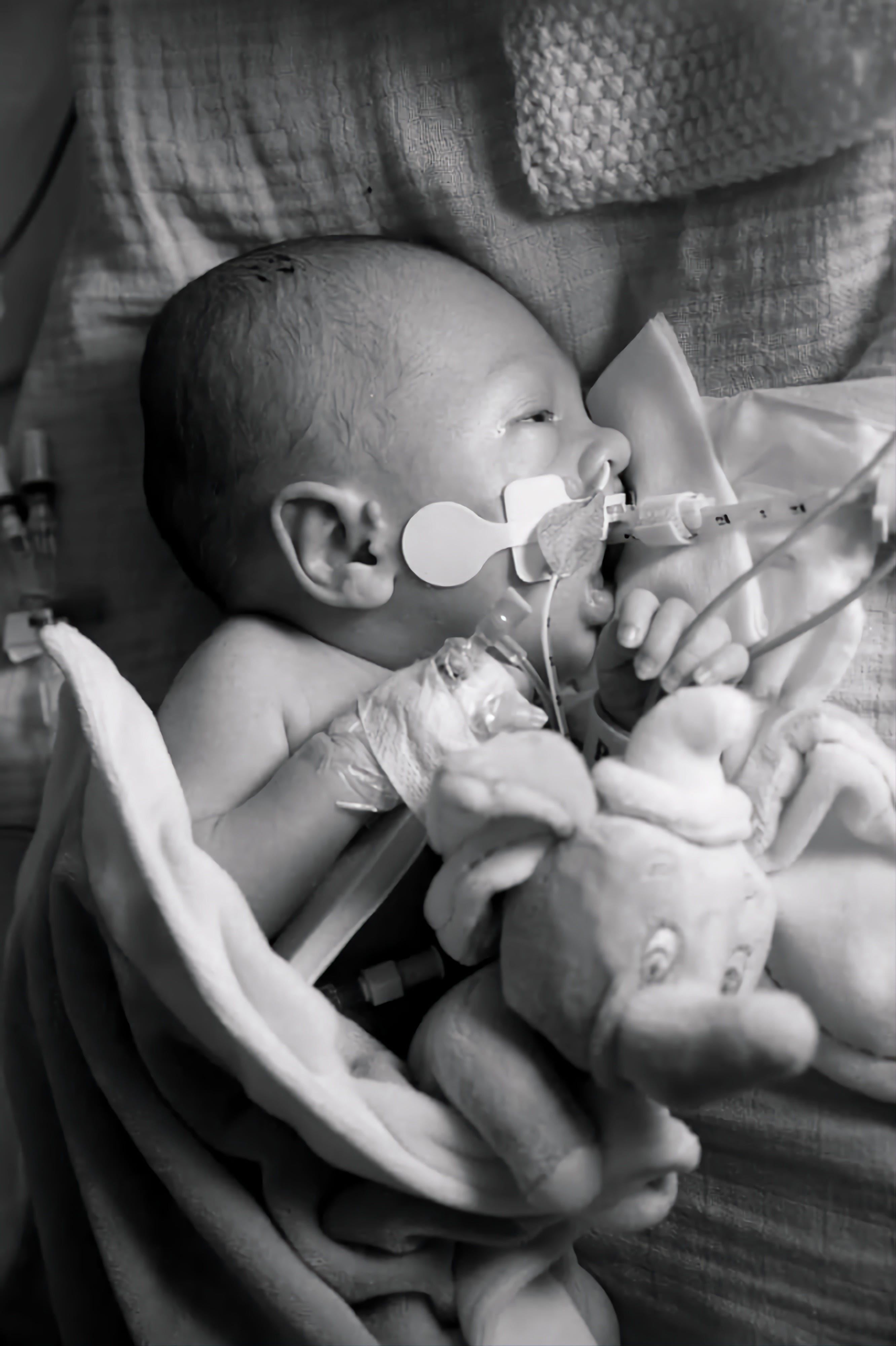
And since then life has been so confusing, painful, hopeful, lonely, inspired.... life is.... not what I expected, but here I am, trying every day.
I love you Olivia-Grace, always and forever,
Your mummy.
About LoveandlossOG
Dani created a website as a safe space for remembrance, a blog where she shares the raw and unfiltered life of a grieving mama, and her special handmade keepsake shop.
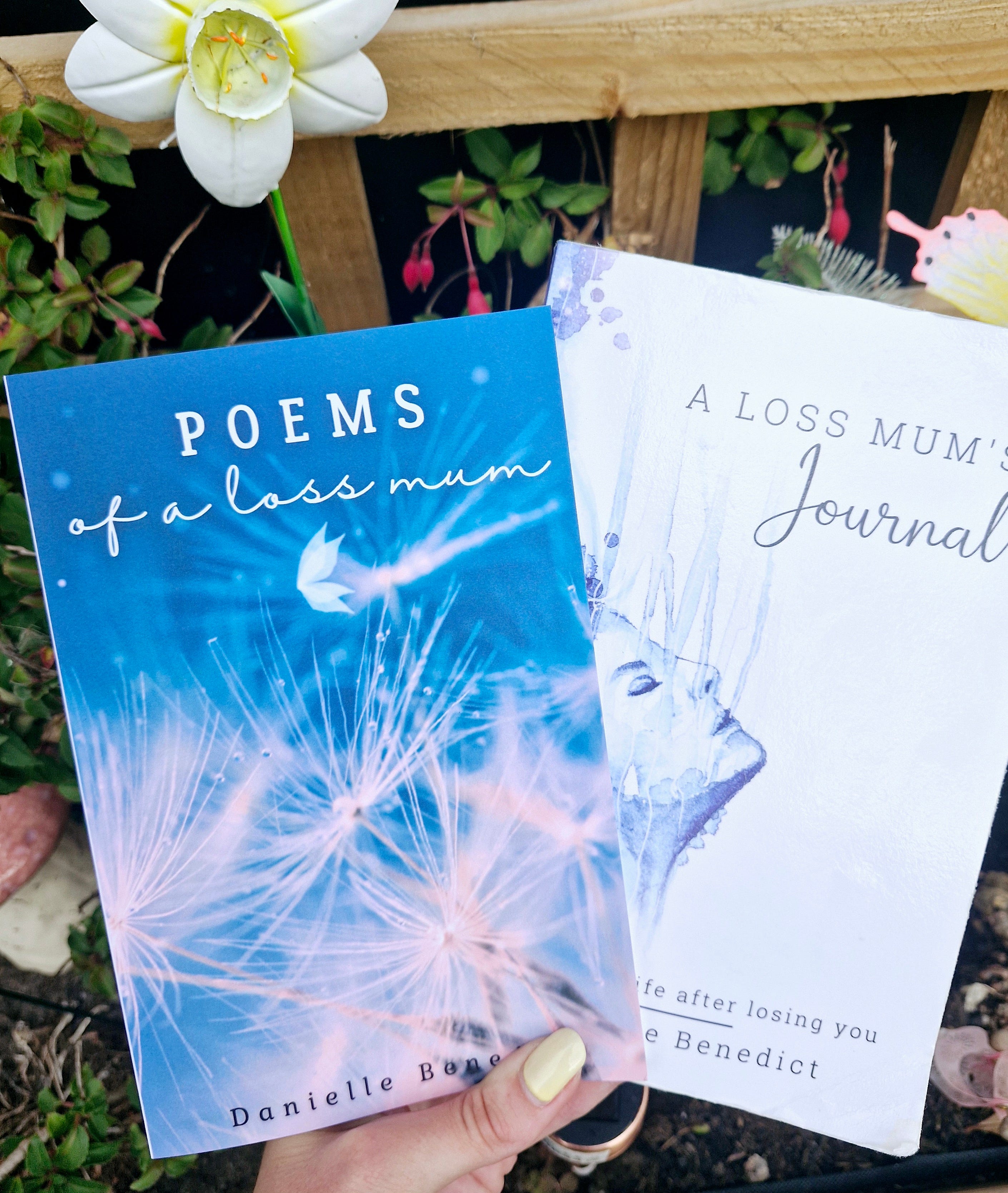
She is the author of “A Loss Mum’s Journal. A Memoir: Life After Losing You”, a 5 star read on Amazon and Goodreads, and recently released a special poetry book, “Poems of a loss mum”, a raw and beautiful collection of baby loss poetry, born from the ache in her heart and her bond with the stars above.
Nick Embleton
I first met Dani after I had contacted the HIE support group in the UK - Peeps HIE - and we chatted on a Teams call. I had been developing an online course on Managing Uncertainty in Perinatal Palliative Care with many colleagues, parents and advocacy groups. You can do the 4-hour course for free via the NHS learning hub.
I was struck by Dani’s bravery and determination to make a difference as an expression of love for Olivia-Grace, and she was kind enough to record a short 5 minute video of some of her experience. I listened to the short video whilst waiting at an airport and was so moved I almost missed my connection. It made me reflect on how we, as neonatologists, need to demonstrate care and not continually seek to crush what little hope parents have left in these difficult moments. In my determination to be “honest” with parents about the likely ‘medical’ outcome, I worry I often did this too. Kept hammering home the medical diagnosis. You know she probably isn’t going to make it? If she does make it home, remember the MRI I showed you, she’s going to have severe disability. As if I was constantly trying to blow out that tiny flame parents could still see flickering. I’ll share Dani’s video in another post.
Physicians in general seem to be particularly bad at this, whereas the nurses seem more able to ‘celebrate’ small successes. It’s not about us as physicians not being honest; of course we have to be honest about what we think is likely to happen. But being honest doesn’t also mean we have to continually crush hope.
Thanks for reading. Please share, encourage friends and colleagues to subscribe (all for free!) and feel free to share your thoughts.
* * *
Recommended Comments