



Probiotics & NEC #2: How 30 years of neonatal studies shaped clinical practice

By Nicholas Embleton in nutrition
· 29 views
How 30 years of neonatal probiotic RCTs shaped current clinical practice
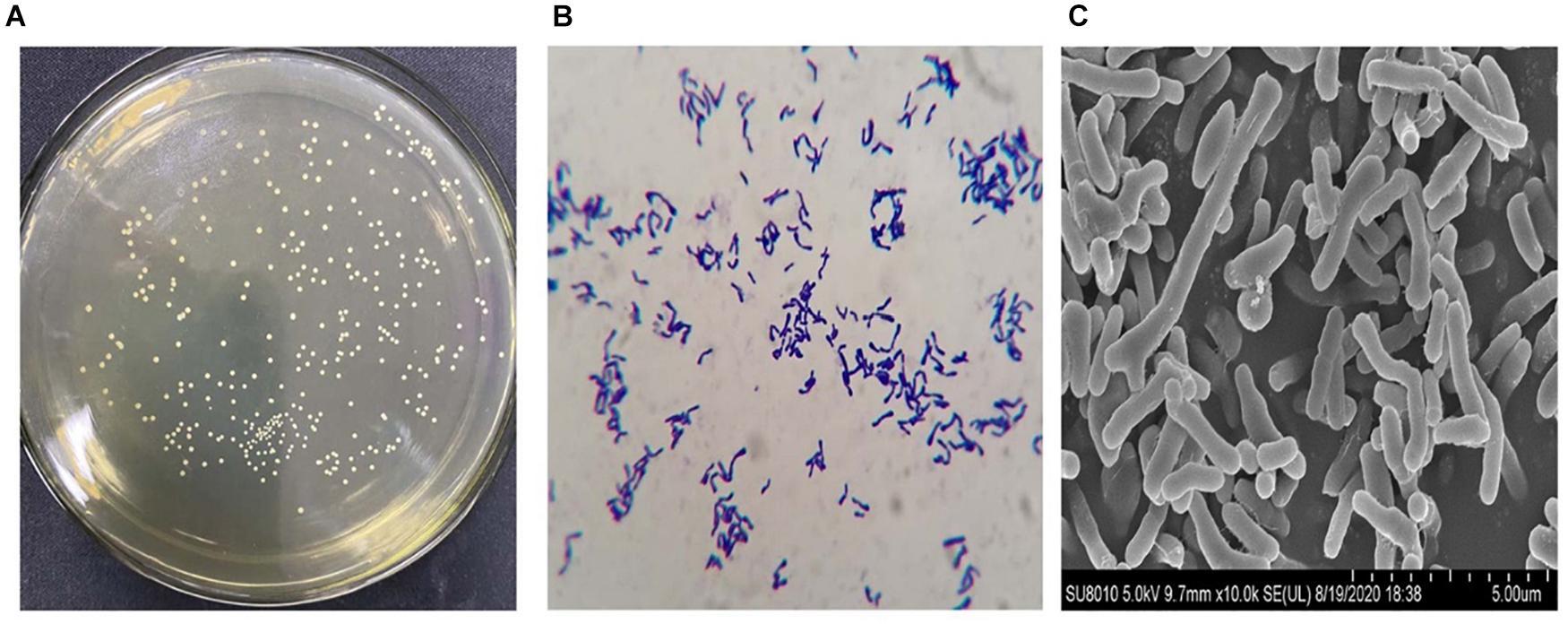
Kitajima et al. conducted the first probiotic randomised controlled trial (RCT) in preterm infants 30 years ago. In a small trial of n=91 preterm infants, they showed successful Bifidobacterium colonisation using Bifidobacterium breve BBG-01 (‘B breve’). The same species was subsequently tested in the UK PiPS trial (Costeloe et al.) but failed to show any significant impact on late onset sepsis (LOS), NEC or mortality. B breve was also used in an RCT of n=231 preterm infants in Brazil (Braga 2011) where it was tested in combination with Lactobacillus casei and showed significantly less NEC (0% v 3.6%). B breve M-16V was used in studies in Australia and Japan, but RCTs were not powered for key neonatal morbidities, and clear effects on NEC from systematic reviews have not been shown (Jape 2018). Does the lack of conclusive effects mean that there are no strains of B breve that should be used in routine clinical practice?

Bifidobacteria classically have a Y-shape hence the name bifid, and B breve are just a bit shorter than others.
Around the same time as the landmark RCT of Kitajima, important observational studies of routine probiotic use were reported, most notably from Colombia (using a commercial product with B infantis and L acidophilus see Hoyos et al.) and Finland (using Lactobacillus rhamnosus GG or ‘LGG’ see Luoto et al). Since then, there have been more than 60 RCTs, multiple meta-analyses and systematic reviews, hundreds of observational studies and endless opinion pieces, position papers, guidelines, narrative reviews, and commentaries (including this!).
Whilst it remains true that the optimal species, combination, dosage and population have not been robustly determined, it would be incorrect to conclude there insufficient evidence to inform clinical practice. Indeed, probiotics are probably one of the most well tested interventions in neonatal medicine. Furthermore, given their apparent high safety, and strong calls from parent and other advocacy groups to be better informed and involved in shared-decision making, every neonatal healthcare professional must understand the evidence base and be aware of product availability and the regulatory environment for their own setting.
The early years 1990s - 2010
Prior to 2010, most European or North American NICUs were not reporting routine usage, although important moderate-sized n=300-500 RCTs were conducted. Dani et al. in 2002 used LGG in n=585 preterm infants and showed no impact on NEC or LOS.
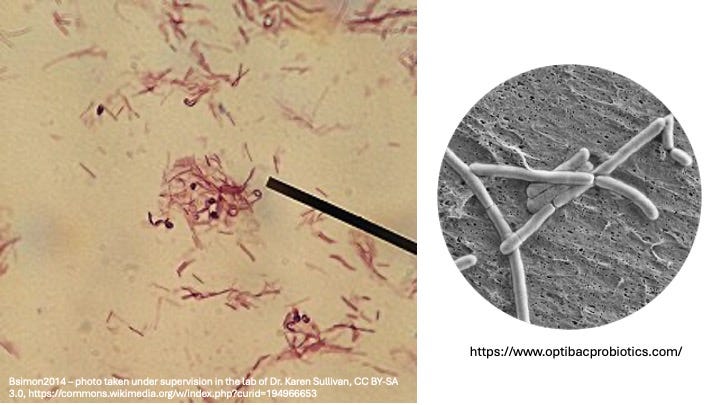
L rhamnosus GG is named because of it’s ability to metabolise rhamnose, also know as 6-deoxy-L-mannose, a sugar found in plants and bacterial polysaccharides. The GG post-script refers to the first letters of the surnames of the two ‘discovers’ Gorbach and Goldwin!
Two RCTs from Taiwan were conducted; the first in n=367 infants showing significantly less NEC in a single centre study (1.1% v 5.3%) and followed by a multicentre study in n=434 infants also showing less NEC (1.8% v 6.5%) (Lin 2005 & Lin 2008). Both studies used a combination of B bifidum and L acidophilus in a commercial product, Infloran.
Manzoni et al. 2009 conducted a 3-arm RCT in Italy in n=472 preterm infants where groups were randomised to receive supplemental bovine lactoferrin (BLF) alone, BLF + LGG in combination, or placebo. Whilst the lowest rates of NEC were observed in the group receiving BLF + LGG, the trial was under-powered for clinical effects from LGG alone but nevertheless highlighted the potential for additional dietary components such as BLF, to act in synergy with supplemental probiotics. Based on the early RCTs from Taiwan, many argued for more widespread adoption of what appeared to be a relatively cheap, safe and effective product and a small number of units in UK and Europe introduced routine use in combination with careful parental involvement.
The middle years 2010-2020
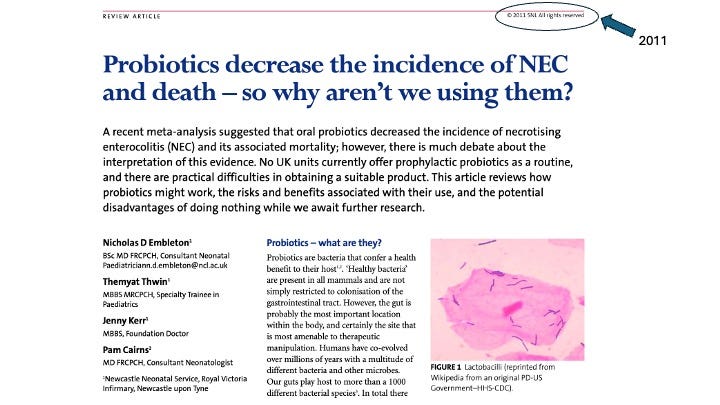
Between 2010-2020 three, key, slightly larger (but still under-powered for NEC) RCTs were conducted. Jacobs et al. in Australia 2013 (‘ProPrems’) used two species of Bifidobacteria spp. in combination with Streptococcus thermophilus (S thermophilus) in n=1099 infants. Oncel et al. 2014 in Turkey used a single strain of Lactobacilli spp. in n=400 infants, and Costeloe et al. 2015 in UK (‘PiPS’) using a single strain of B breve in n=1,315 infants based on the Kitajima trial. The trials were all powered on a reduction on LOS, and none were adequately powered to determine an impact on NEC. However, as a secondary finding, only the Australian ProPrems trial showed a significant decrease in the incidence of NEC from 4.4% to 2.0%.
These results created major uncertainty in the neonatal community as to how to ‘align’ the results from ProPrems and PiPS, and with those from Taiwan. Were differences due to product choice, multi-strain products, methods, population heterogeneity or other factors? Did we need more placebo controlled RCTs or head-to-head comparisons, and how would we ‘power’ those studies?
Cross colonisation was significant in the PiPS study with almost half of all control infants having detectable B breve in the stools at the end of the study, and this was suggested as a possible reason for smaller than expected group differences. Secondary analysis appeared to show better outcomes in infants colonised with Bifidobacteria spp. perhaps suggesting that a Bifidobacterium rich microbiome might be beneficial. Cross-colonisation appeared much less frequent in ProPrems and may reflect differences in clinical techniques and infection control, or might represent bacterial species characteristics that might facilitate more environmental contamination on the NICU? Despite these concerns, results from PiPS study were considered robust and only a few UK, North American and European NICUs adopted routine use.
Despite the lack of clear impacts on NEC from well powered RCTs, a consistent increase in routine use of probiotics between 2010-2020 occurred in well-resourced settings including UK, Germany and North America. Observational studies were generally supportive, but as always are subject to unmeasured confounding, publication bias etc. Traditional meta-analysis were supplemented by more nuanced network meta-analysis (NMA) and a number of further small RCTs were published. Whilst frequent concerns were raised about the potential for ‘probiotic sepsis’ (i.e. bacteraemia with a probiotic organism) most were case reports, rarely if ever fatal, and overall rates of LOS appeared lower in treated infants (RR ~0.9). Concerns about the possible promotion of anti-microbial resistance (AMR) genes are justified, but some recent studies show less AMR.
ESPGHAN, AAP and WHO get involved 2020-2023
In 2020, The European Society for Paediatric Gastroenterology Hepatology and Nutrition (ESPGHAN) considered that probiotics were both safe and effective based on a NMA of 51 RCTs including 11,231 preterm infants but acknowledged several uncertainties and limitations. ESPGHAN highlighted that NMA can only provide data on products/species that have been tested, and these may not represent the most efficacious strains etc. A position paper from ESPGHAN utilised a strict strain-specific approach and highlighted that reductions in all-cause mortality, NEC and LOS were not common to all the strains tested. ESPGHAN identified LGG (ATCC53103) or a combination of B infantis Bb-02, B lactis Bb-12 and S thermophilus (same combination as used in ProPrems) as candidates for clinical use.
Shortly thereafter, the American Academy of Pediatrics (AAP) in 2021 suggested that routine use could not be supported especially in infants with a birthweight <1000g and repeated justifiable concerns about lack of data in the most vulnerable infants, concerns about QC and QA, contamination and probiotic sepsis. This led to an abrupt reduction in usage in the US. In 2023 the World Health Organisation (WHO) suggested probiotics may be considered for human-milk-fed preterm infants <32 weeks making a conditional recommendation with moderate-certainty evidence, and there was also widespread support for routine use from numerous other organisations including advocacy groups such as the NEC society.
FDA concerns and probiotic sepsis
In 2023 the US Food and Drug Administration (FDA) issued warnings regarding the use of probiotics in preterm infants, associated with concerns about the death of a baby who had developed probiotic sepsis following use of a commercially available Bifidobacterium spp. containing product (B longum subsp. infantis abbreviated to B infantis). Concerns were also raised regarding marketing of other probiotic products. The FDA noted that no RCTs of probiotics designed for preterm infants had been conducted according to pharmaceutical standards, and there was an abrupt decline in usage in the US, although the wider global impact is not clear. Notably, the product used in the case cited by FDA had been reported the year before (2022) in an n=483 observational study showing lower NEC rates, lower NEC associated mortality and no cases of probiotic sepsis. (Tobias 2022)
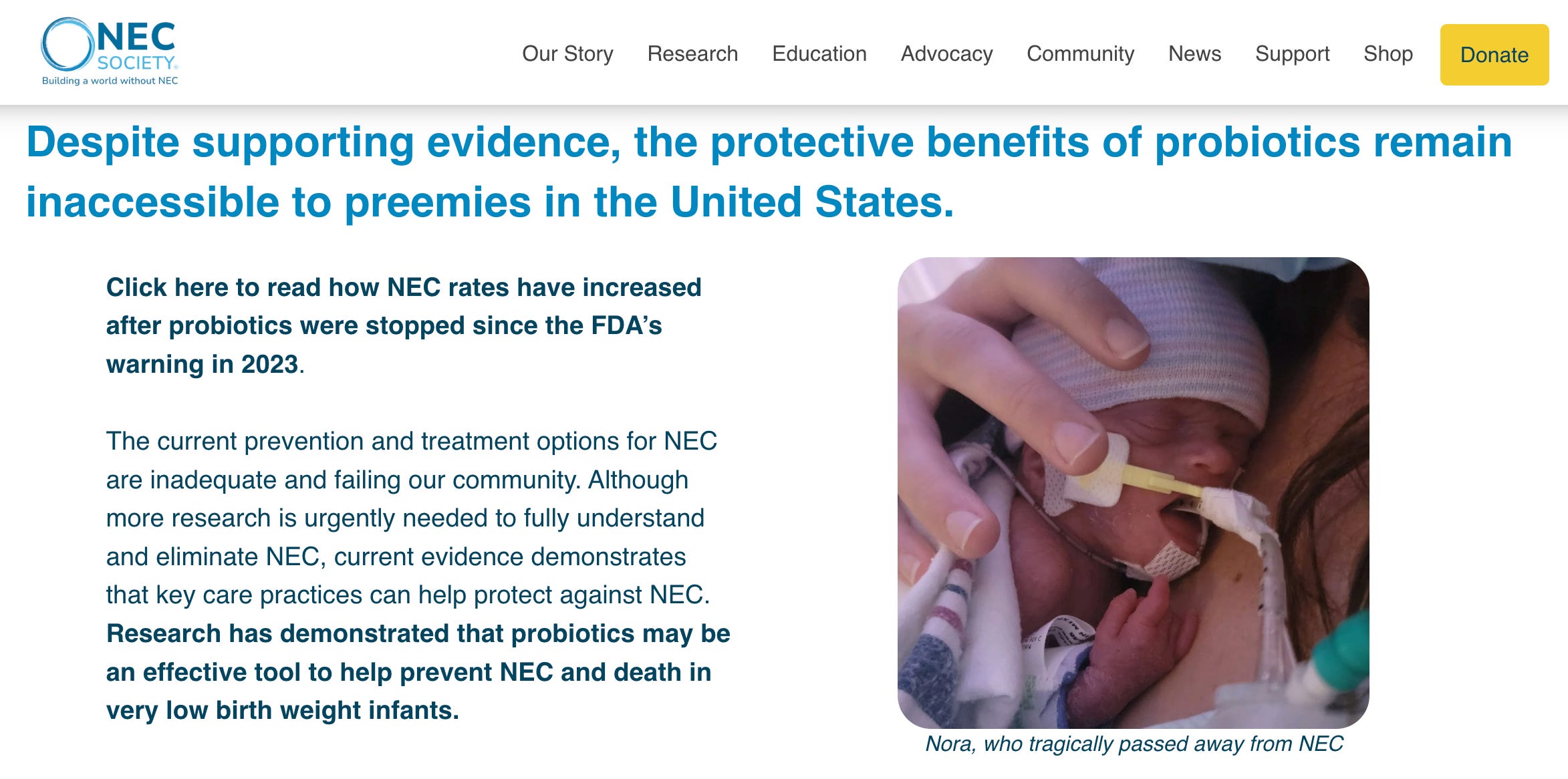
Although the FDA issued a warning, they did not “ban” probiotics. However, in the litigious environment of the US, who would be brave enough to keep using them?
What happened next? The abrupt cessation of probiotic use in the US created a natural experiment. There are 100s of neonatal observational studies using a before/after approach - they all have their own merits but generally show the “intervention” to me more effective as it is impossible to control for all the other practice changes in that time period. Nevertheless, the FDA ‘ban’ created a before/during/after situation and a few studies provide very interesting reading.
Thanks for reading - please free to forward to colleagues, or share on your networks etc.
-- -- --
Recommended Comments