
_0b6494.png)
_5c07e1.png)
_0d1bd3.png)
_75149d.png)
(26).png.c97dc453b63ee0a4658a82af0237d93f.png)

Baby Loss & the meaning of life
By Nicholas Embleton in Neonatal Butterfly Project
· 735 views
All about me!
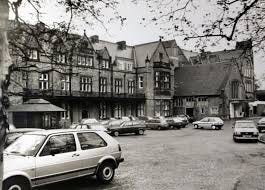
I qualified MBBS 1990, started paediatrics 1991, & did my first NICU job 1992. I was utterly terrified those first few weeks, but worked with some brilliant nurses who looked after me, and an inspirational consultant Edmund Hey - one of the pioneers of neonatology (seminal work on resuscitation and thermal management in the 1960s!). We worked long hours as SHOs (residents) - 24 hours on, 24 hours off, for 2 weeks, knew the babies and families inside out, and then 5 daytime shifts and a whole weekend free 1:3!
Such was neonatology at the time, that within 4 weeks of residency starting we had all learned to intubate and drip most babies and the fear subsided. I remained a bit scared of the nurses (still am), and always a bit uncertain what to say to parents. Surfactant was becoming routine but antenatal steroid administration was inconsistent, so lots of RDS, a Bourns ventilator that sat on top of the incubator, but with no graphics. We got good at transillumination and chest drains.
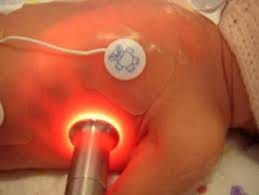 Ed was non-interventional so we rarely did art lines or PICCs, and a strict protocol of always doing what the nurses told us. The maternity hospital was a mile away from the City’s main hospital, so had our own lab for measuring serum sodium, bilirubin & osmolality. Lots of exchange transfusions for Rhesus. Busy busy. Great fun.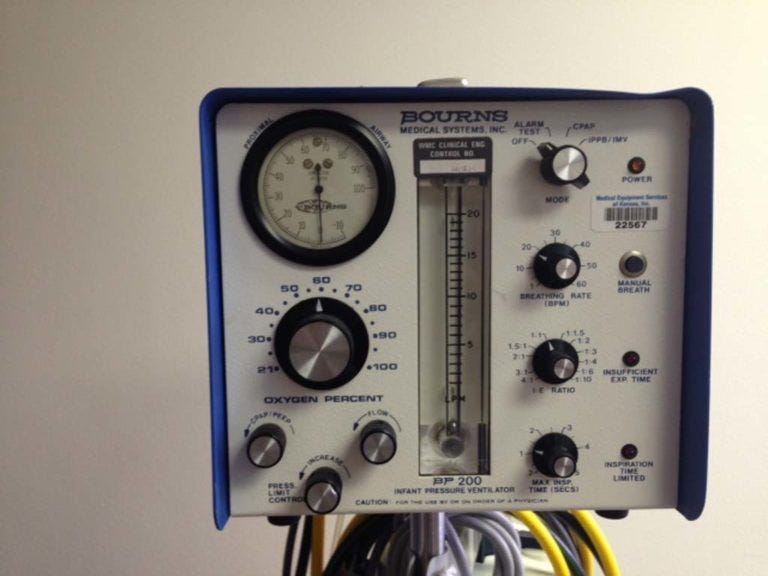
I was a bit disappointed when, as a registrar (senior resident), I realised I loved neonatology, as my intention had always been to be a General Paediatrician but my borderline ADHD/ASD/INTJ-ness had other plans. I became interested in research, and under Ed’s mentorship I wrote papers on Edward’s syndrome and Group B strep - Ed’s mantra was always to write papers you’d be proud of in 10 years time. They were well cited. I wept when he died unexpectedly in 2009, which took me by surprise as I never realised how much he had meant to me and had to creep out the back of the church funeral so no one saw me. By then I had a moderately successful research interest in nutrition and growth, started planning some big RCTs, and loved my clinical job especially the acute, technical life saving whooshy whooshy echo machines and number stuff. I’ll post another time on why doctors want to be a hero. Just possibly also including me. And why wanting to be a hero can change your attitude and behaviour.
At about the same time, 2007/2008, I had a chance meeting with a Ruth, social scientist, Judith, a maternal epidemiologist and Steve, a fetal medicine Prof. They were conducting qualitative work and exploring women’s feelings and experiences of being offered termination of pregnancy, and the option of feticide prior to delivery. Important and heavy. They asked me “how do you think parents feel when you ask them to agree/consent to withdrawal of active intensive care”. We planned and got funding for a qual study where an RA spoke to several bereaved parents, and the staff who cared for them, including me. I was humbled by how little I knew about sociology, psychology and qualitative work, but it changed me personally, my career, and how I behaved.
I questioned my personal and professional identity. Are they one and the same? Do you ever stop thinking you’re a neonatologist or neonatal nurse? I questioned why I went to some baby’s funerals, but not others. Did that mean I didn’t care about them as much? After we removed an ET tube, and we sat with parents as the baby passed away, why was it OK for the nurse to cry, but I never felt I should. I would though, sometimes take myself for a ‘lazy wee’ if I felt upset as the washroom stalls were the only place you could get a bit of privacy for a few minutes? [OK, it’s toilet but I’m being inclusive of any north American readers.] My kids would ask me (after I had rushed from the house to tube a baby) “Daddy, did the baby die?” and I always lied and said, no, he’s fine now. I felt bad that children should have to know that babies died. How could I sit with parents, watch the baby slowly become apneic, confirm absent heart sounds, and then get up and meet my colleagues for lunch and laugh about the soccer. Did that make me a psychopath? And how could you find so much reward and enjoyment in looking after a baby so sick he might die.
Is it OK to be facebook friends with a parent whose baby died? How long do you have to wait before accepting the request. What do the brothers and sisters think when they’re told their much anticipated baby brother died. What do you feel as a surviving twin when your brother died at a day of age before you ever remembered his face. Do you tell your friends at school you’re a twin. When you see a parent from years back walking towards you down the street, and you can’t you remember if the baby survived? “Hi, um, how are things going?”
So genuinely, no one is more surprised than I am, that having been fascinated by the epigenetic correlates of rapid infant growth, I am so interested in feelings and experiences. I didn’t become a neonatologist to do that. Almost the opposite of that? But I gradually became fascinated about how we interact with each other, interact with parents, the furrowed brows and sucking of teeth when a baby is sick. I watched parents hang on to every word and facial expression of the attending consultant. Sometimes I wondered if one consultant made things out to be much worse than they were, so he could look more heroic when he made the baby better. Another consultant telling parents everything would be fine as they slowly became bradycardic. I listened to parents ask if they were allowed to stop one of the consultants from turning the machine off, as they feared that’s what we would decide would happen if they went home from the NICU. Watched parents melt when the nurse on rounds say “he’s had a bad night, his gas is terrible”.
And what actually really matters? All those RCTs to see if we can improved the BSID by a few points but that really tell you very little about future life and joy and love. Sadly, we can’t put a number on the importance of ‘meaning’, but maybe that’s a good thing. It took me a while to appreciate that short lives can have immense meaning. Even a life as a twin just a few weeks after conception.
There’s something deeply profound and existential about baby loss. I don’t want to make out that neonatal medicine is somehow more important or honourable than other branches. But babies are the most cherished of all beings in society. They’re not supposed to be born early, or get sick and die. Pretty much everyone loves them. We’re even happy to be smeared in their faeces or vomit or blood, awwww he’s just a baby, but smear me with an adult’s sputum and I want to barf.
And we all feel terribly uncomfortable and awkward when a baby dies, and don’t know what to say sometimes, so we avoid the topic or become all professional and detached. Residents often ask me, I don’t know what to say to parents when a baby dies, it’s just really sad. You could just say that, I suggest.
We try not to mention the baby who died. We forget their names. We dehumanise the babies, and talk about a fetus with Trisomy 18, and not Rita. And in all of this, we forget that the micro-interactions we have with parents all day long that determine whether they trust us and feel supported. Did we smile and say hello, ask them how they were, or what they were worried about today. Did we remember their name, the name of the twin who died, and act as if we had plenty of time to talk. Or did we make out we were terribly busy and important, that we know best, or we somehow magically know what they are going through, because we’ve seen it before. I think we all really care, but sometimes we could show it better.
It’s the little things that count.
Recommended Comments