
_0b6494.png)
_5c07e1.png)
_0d1bd3.png)
_75149d.png)

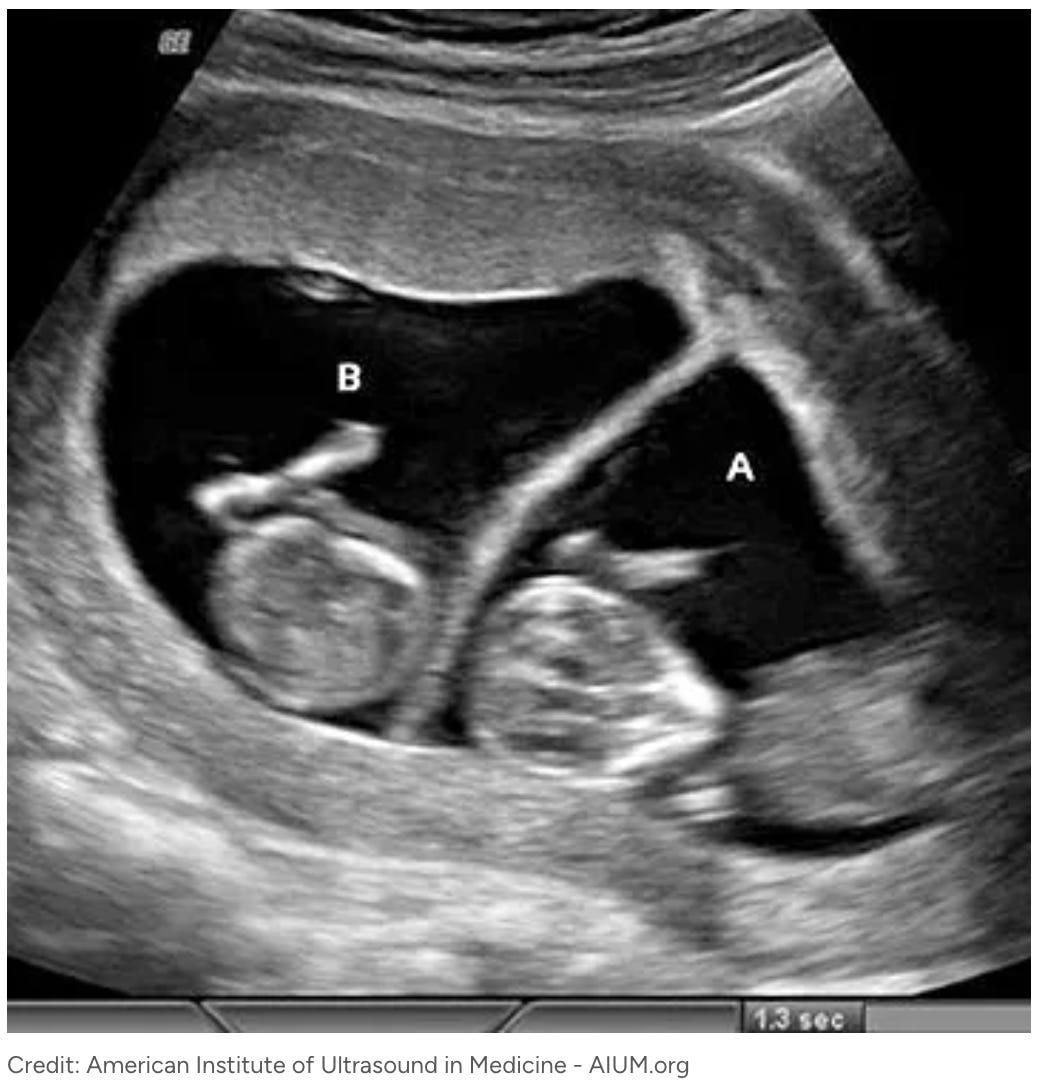
I seen two babies on that scan. I wanted two babies.
By Nicholas Embleton in Neonatal Butterfly Project
· 309 views
Most of us are fascinated by how different or similar twins are. I often use ‘twins’ as shorthand for ‘twins, triplets and more’ but fully recognise the unique challenges of a loss in higher order pregnancy. I know several families who had triplets and either one or two babies died; I will ask some parents to share their stories and the unique challenges faced by loss in a higher order pregnancy.
To find out why people feel a twin pregnancy is special, we need to speak to them.
I was excited…I felt, how can I put it…I felt special. I felt special to be carrying two babies, you know, I really wanted my two babies who, I seen two babies on that scan, I wanted two babies
How did we do the research?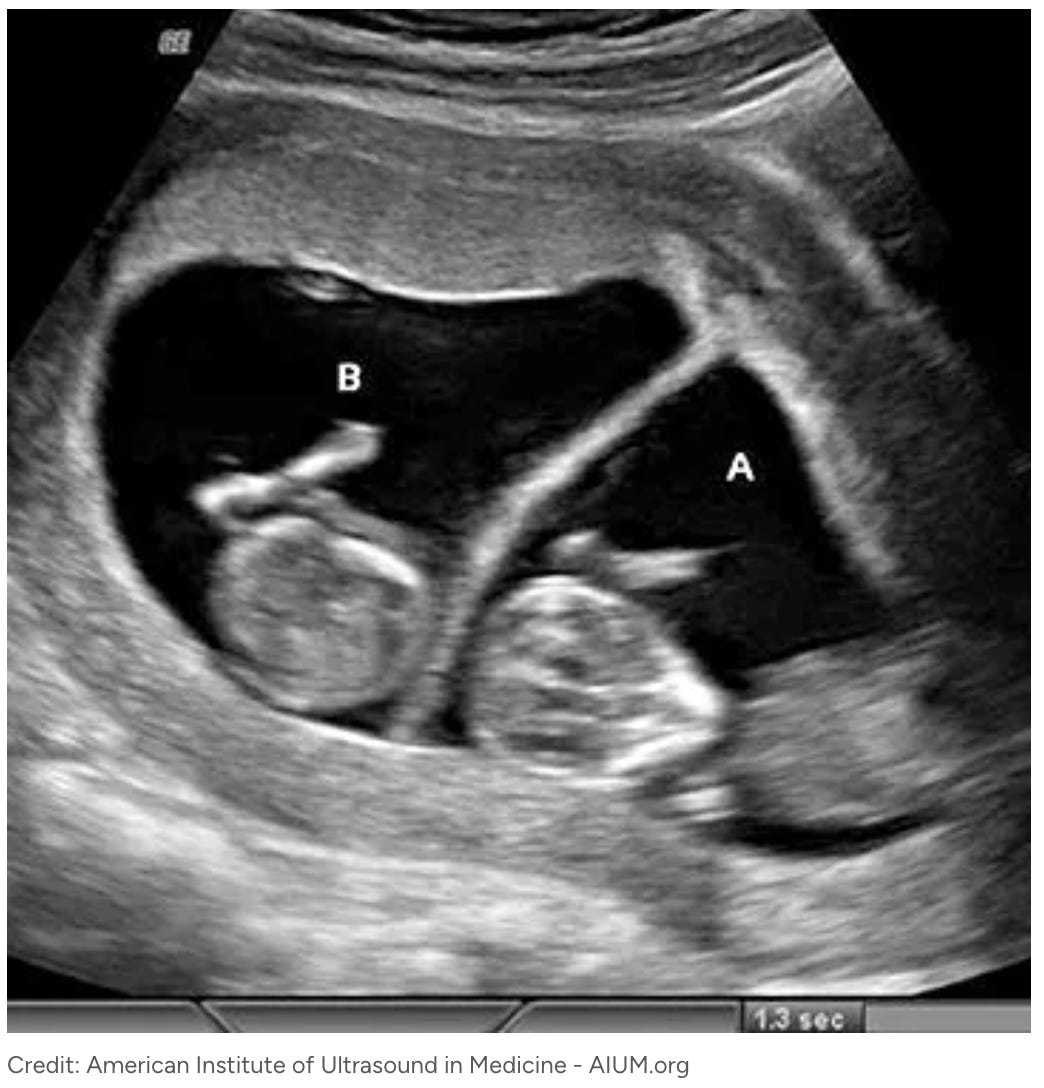
Thematic analysis takes a large dataset - in our case from audio-recorded interview recordings with parents - that are then transcribed and reviewed by researchers to familiarise themselves. Data collection (interviews) continue until the researcher feels they are reaching “thematic saturation” - where parents are saying similar things and no new findings are emerging. Typically, this takes between 5-20 interviews depending on the diversity that exists - people (age, identity, profession), topic, intensity of emotions generated (e.g. baby loss versus parking problems), variation in experience (e.g. miscarriage, neonatal death etc.)
Researchers then generate initial codes (phrases, words or sentences e.g. sadness, anxiety, work, children going to school), and then group these codes into broader meaningful categories (mental health, family relationships) as structured findings and themes. This is often led by 1-2 researchers, although the wider research group will contribute.
Findings (themes) can then be validated by sharing them with others e.g. other bereaved parents at workshops. The analysis highlights similarities, differences, and unexpected insights across a dataset. Qualitative analysis can have a huge impact on both neonatal morbidities and long-term parental trauma-informed care but is often “looked down” upon especially by physicians who don’t understand research studies without p values and confidence intervals. However, those physicians should also recognise that most p values make no difference to clinical care, and most conclusions are false or biased.
I digress.
We spoke with 14 mothers with a multiple pregnancy where one twin had died during pregnancy or in the neonatal period, between 6-24 months after the loss. Fathers or grandparents were present in half the interviews, and the surviving sibling present in most. Our analysis identified three main themes - 1) status as special, 2) trust and 3) control & empowerment. Here we will focus on the first theme.
Feeling special
Mothers often spoke of feeling ‘special’ when they discovered that they were expecting twins. The unexpected loss of one baby was devastating and parents grieved both the loss of the baby, and the loss of their ‘special status’. Where surviving babies were being cared for in the hospital, parents had to deal with their grief, alongside their joy for the other baby/s and their fears that the surviving baby might die.
What I got a lot of… the doctor at the time really quite upset me… she often said to me, ‘At least you’ve still got one’ , and that was one of the worst things that anyone could possibly say. ‘You’ve still got [surviving twin] though’ and I know I’m really grateful I still have [surviving twin] but that’s like saying to someone that has a child of four and six and the six year old one dies, ‘well you’ve still got the other one, so that’s ok’. And it was really quite upsetting. I knew that she didn’t mean it in any nasty way.
Parents appreciated healthcare professionals (HCP) who tried to maintain the special twin identity on the NICU. But many HCPs didn’t recognise the twin identity. I remember before we did the Butterfly project feeling really uncertain about what to say or do. Should I keep mentioning the twin status or just quietly let it slip away? It felt a bit awkward, and maybe we thought we might upset parents if we mentioned it again. Parents probably took that as indication that we didn’t care.
Baby names
A baby’s name gives them their identity. Parents will often (but not always) give their babies names during the pregnancy. When a twin died on the NICU, we often forgot the name, or didn’t ever know it perhaps. I was always scared I would get the names of the babies mixed up if one died.
One of the nurses that was least conscientious towards other people’s feelings kept calling him [surviving twin] by his brother’s name afterwards
Some of the nurses would encourage parents to place a photo of the baby who died into the incubator of the surviving twin, even better if there was a photo of both of them together. Sometimes it was an antenatal scan. Sadly, many parents had no photos of both their babies together.
Trauma and grief on hold
Most mother’s described a rollercoaster of emotions whilst in hospital with the surviving twin.
Parents talked of a juxtaposition of feelings of simultaneous joy and grief, but in the period immediately following the loss, they overwhelmingly talked of feeling traumatised.
I think I totally switched off looking back now, from the moment I got back to the hospital, I think I just went into autopilot…yes, this is not happening, because there were no tears or anything was there? Nothing at all for days’.
Mother’s talked about the need to keep their emotions ‘on hold’ and described strong grief reactions that emerged weeks, months or years later. In some cases mothers talked about putting feelings on hold in order to be strong for the surviving baby.
We saw her [deceased twin] for some time after losing her and then our focus to help us get through, it was wanting to be out of hospital…and went up to [other hospital] to be with [surviving twin]. That was giving us some strength…being there for him
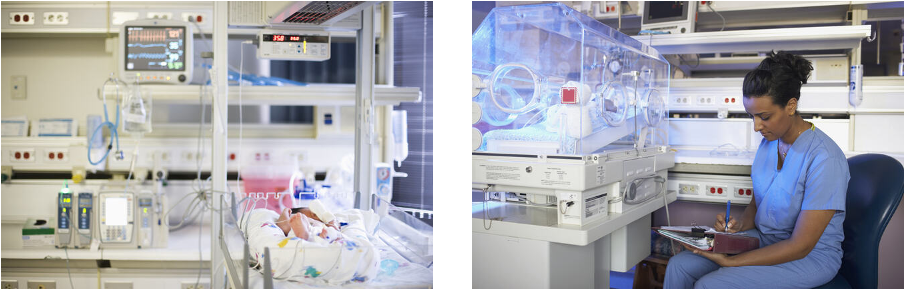
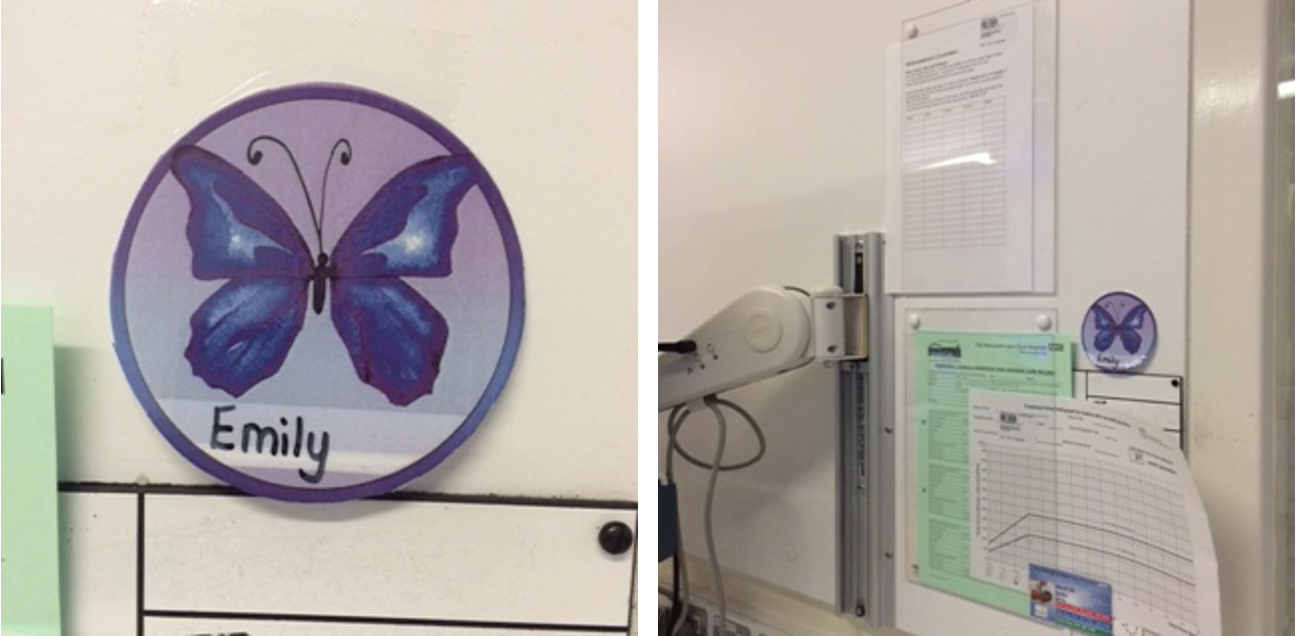
There was often nothing to see that demonstrated the twin identity, and many staff cared for babies without even realising they had a brother or sister who had died.
Many felt it was too soon to see counsellors or psychologists whilst they were on the NICU - many waited a few weeks or months, but I know other parents (and surviving twins) have felt they would benefit from counselling years or decades later.
It was about six months…we went for bereavement counselling…I was suddenly feeling so bad…really angry’.
Feeling ‘special’ or ‘different’ was common during the pregnancy and continued throughout their lives. Parent experiences of care in the NICU whilst supportive, seemed to reinforce that sense of difference, in terms of how their contradictory feelings were accommodated, and the ways in which their grieving did not seem to fit with the usual offers of support.
Twin identity is very strong. Most “twinless twins” feel a strong sense of their brother or sister throughout their lives. Some describe “living life for two” or living life in a way that honours and respects their twin. But many parents I’ve spoken with struggle to know how to maintain the special twin identity. And many twin survivors are uncertain how to make sense of it all.
Great if you can share these posts with anyone you think might be interested. I am not after ‘likes’ - I am interested in connecting with others, and helping give voice to the parents’ experiences to improve understanding and care for future families. Thanks for reading to the end! Have a great day.
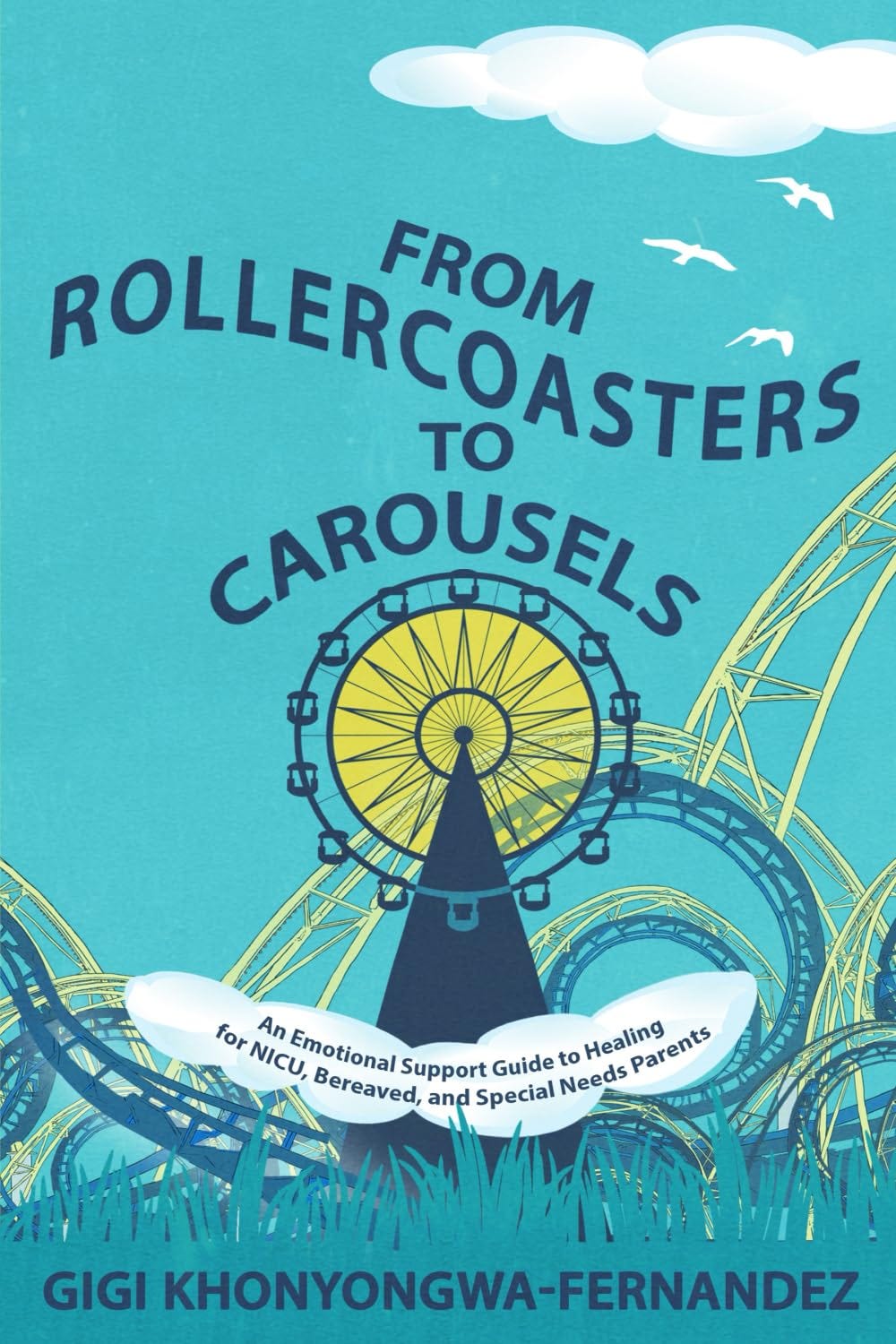
Gigi’s book is available on Amazon and is a great read. Gigi is a bereaved mum of twins and I’m asking her to write an article at some stage (thanks Gigi!).
Recommended Comments