
_0b6494.png)
_5c07e1.png)
_0d1bd3.png)
_75149d.png)
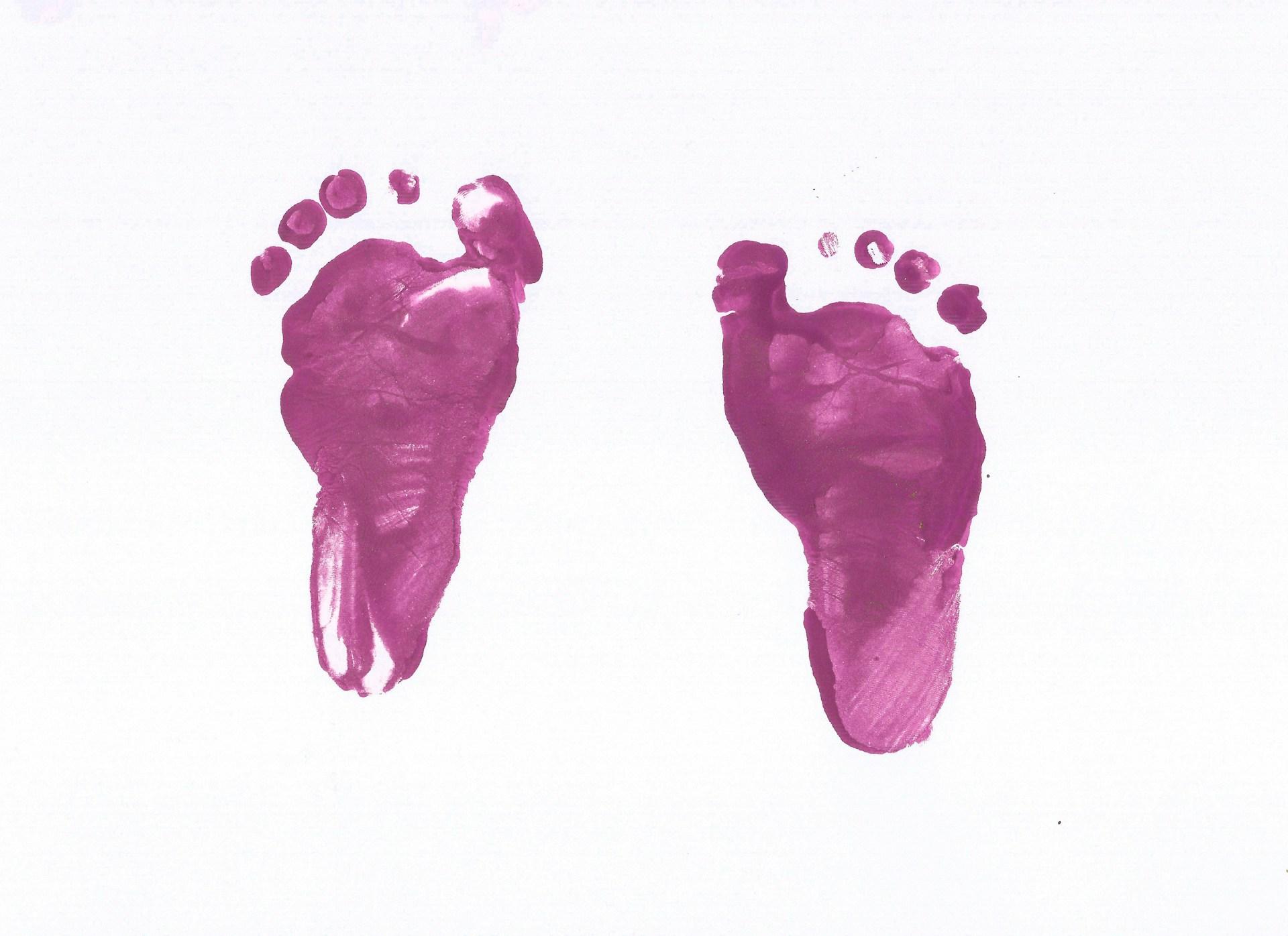
Twin loss. At least you've still got one.

By Nicholas Embleton in Neonatal Butterfly Project
· 513 views
Parents' views and experience of baby loss in a multiple pregnancy. Acknowledgement is key.
P Parents who had a multiple pregnancy where one or more babies died, but where one (or more) babies survive, face unique challenges. Our research identified many themes - mostly centred around acknowledgment.
Acknowledgement that
this was/is a multiple pregnancy
a baby died - and most often had a name (and not “twin 2”, or a “9-week fetal loss”)
there is a juxtaposition of grief for the baby/s who died, alongside hope and fears and joy for the baby who is surviving
challenges are not better or worse than a singleton loss, but they are different
‘one of the doctors at the time really quite upset me and she often said to me “at least you’ve still got one” … that was one of the worst things that anyone could possibly say’
Every parent we have ever spoken to has been told “at least you’ve still got one”. They are told it by friends and family, by nurses, doctors, midwives. Everyone. Even decades later.
I can, perhaps, understand why some people might say it without thought, but when challenged to reflect, most people can see how hurtful that statement must be. If the loss occurred early in the pregnancy, many parents were encouraged to no longer consider it a twin pregnancy and were told ‘just think about it as a singleton pregnancy’.
With many families from decades ago, the baby who died was never mentioned again, and some parents (and living twins) didn’t even know where the baby was even buried. They were discouraged from giving that baby a name and many hid their grief for a lifetime. Surviving twins who found out they were a surviving twin when they were adolescents, sometimes asked their parents’ permission to give their twin a name.
Continuity & connection
On the neonatal unit (or postnatal wards) we often made things worse. We might forget the surviving baby is a twin, or that parents were struggling with the juxtaposition of loss and hope & joy. Parents, quite rightly, expect that healthcare staff know what happened. We should know what happened, when and how, and the baby’s name. Parents didn’t like having to retell the painful story they felt we should already have known. But they often valued the opportunity to share their story again, often with the bedside nurse. They wanted a chance to tell us his/her name, how much they loved him, how much he meant and how proud they were of his short life.
We are usually quite good at ‘handing over’ medical information about the baby (ventilator settings, medications, scan results, management plans etc.) but we are not so good about handing over the emotions parents share with us; their fears, hopes, uncertainties. Many writers have discussed the important sense of the ‘connection’ that patients, clients or parents have with their ‘provider’. This sense of connection is vital to building trust and makes a big difference to parents’ sense of wellbeing. How could parents trust us if we didn’t even remember there was another baby who had died? Sadly, for many families of premature babies, or those with short lives, healthcare staff may be one of the few people who met their baby alive as friends and family weren’t able to meet them. We hold a special place in those families’ hearts. They may not remember what we said to them, but they never forget how we made them feel (Maya Angelou).
Who’s looking after him tonight?
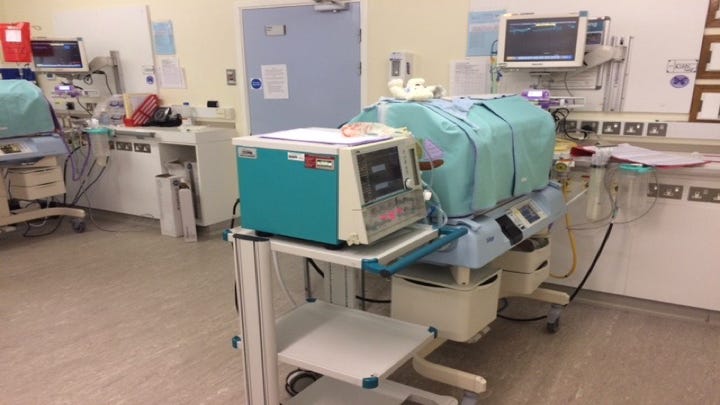 Most parents do not stay on the NICU 24/7 - unless they are fortunate enough to have childcare at home, financial stability and be in a hospital with single rooms. But parents like to know who is looking after their baby when they are not there. They will often ring the unit last thing before they go to sleep and ask ‘which nurse is looking after my baby tonight’. If they know (and trust) that nurse, they may sleep easy for a few hours. But if they don’t know the nurse by name, they often struggle to sleep, or might ring back after a few hours to check all is well.
Cot spaces and loss
Every neonatal unit is busy; sometimes it feels like it’s “one out, one in” on a shift. When we admit twins, we try to place them in incubators that are next to each other but sometimes that isn’t possible. But when a twin baby dies, parents often have to witness the heart-breaking admission of a baby into the cot space where their baby had died, perhaps just a few hours or day earlier.
We often have no choice, and the parents of the newly admitted baby of course have no idea either what just transpired. What must it feel like to have sat between two incubators reaching out to both your twin babies at the same time, and then after one dies, just sit and look at your surviving twin? Telling parents we recognise how hard that might be, shows parents we care, even if we can’t solve the problem. If possible, the nurses will offer to move the surviving twin into the cot space that was occupied by the twin who died. If that is what parents want. To know what parents want, we have to share options and ask them. We cannot second guess.
“I know what you are going through”.

Actually, most of us probably don’t. We might have years of experience of caring for parents experiencing loss, read literature and attended training days, and we might have our own experiences of loss. Many of us do. Most often though, we don’t know what these parents really feel. But parents do gain comfort from knowing they are not alone, and that others may have experienced similar challenges. Many, but not all, parents benefit from psychological support. Peer-support can be vital and life saving. Groups that offer this, or when parents manage to connect with other families who have similar experiences, can have a lifelong impact.
-
 1
1
Recommended Comments