
-
Executive Summary and Clinical ContextFor nearly two decades, neonatal and obstetric clinical guidance regarding maternal analgesia was defined by an absolute prohibition: codeine is contraindicated during breastfeeding. Driven by warnings from the US Food and Drug Administration (FDA), European Medicines Agency (EMA), and health agencies worldwide, this dogma originated from a single 2006 case report in The Lancet describing the death of a 13-day-old infant from morphine overdose to which he was allegedly exposed via breast milk. The authors claimed that maternal ultrarapid cytochrome P450 2D6 (CYP2D6) metabolism converted standard postpartum codeine doses into a lethal concentration of morphine, which passed to the infant via breast milk. In response, clinical practice pivoted away from codeine toward higher-potency opioids such as oxycodone, hydromorphone, and fentanyl. Other mothers were advised to avoid breastfeeding while taking codeine or endured undertreated postpartum pain. Today, November 21, 2026, The Lancet formally retracted that landmark 2006 paper following an institutional investigation that confirmed scientific data falsification - specifically, the deliberate omission of toxicological and postmortem findings consistent with direct neonatal pill ingestion rather than transmission through breast milk. Below is an elaborate chronological history of this controversy, its pharmacological deconstruction, and the clinical implications for neonatal practice. Bottom line: This 20-year-long saga has reshaped postpartum pain management and lactational pharmacology, demonstrating a defensive and conservative approach, which may have been suboptimal by pushing mothers toward stronger opioids. Following its conclusion in a retraction of the seminal "Toronto case", we are reminded that clinical decision-making should not be based on isolated cases, no matter how tragic or outstanding. Such reports may trigger the "fallacy of misleading vividness", goading clinicians into unsubstantiated practices to avoid such remote and improbable outcomes. Moving forward, neonatal and perinatal care must remain anchored in rigorous pharmacokinetic modeling, robust epidemiological cohorts, and evidence-based multimodal analgesia. ** Disclaimer: this post is based on the relevant publications (see reference list in the end) and was compiled and written with the assistance of Google NotebookLM. It was then thoroughly reviewed by myself before posting. Any additions or corrections are welcome. ** Chronological Timeline of Events2005 ── Infant death (Toronto) 2006 ── Landmark Lancet case published; CPJ column 2007 ── CFP article; FDA Public Health Advisory 2008 ── Bateman et al. critique in Lancet; Motherisk case-control study 2009 ── Willmann PBPK modeling; Motherisk 4-day guidelines 2010 ── Fabricated "Baby Boy Blue" vignette published in Paediatr Child Health 2011 ── Confidential review uncovers concealed 300 ng/mL codeine and stomach pill residue 2012 ── Juurlink cohort (n=7,804 mother-infant pairs) shows no codeine harm 2013 ── Kelly et al. prospective tool (PLoS ONE); EMA/PRAC pediatric restrictions 2015 ── IJOA editorial challenges "numerator of one" 2020 ── Zipursky & Juurlink publish toxicological refutation; CPJ & CFP retract papers 2023 ── BMJ cohort (n=85,675 dyads) and Bateman/Hale editorial confirm relative infant safety 2026 ── New Yorker exposé; 123 CPS case disclaimers; Lancet Expression of Concern (Feb); Formal Retraction of Lancet paper (Nov 21) Detailed Chronological Development1. The Incident and the Original Report (April 2005 – August 2006)April 2005: In Toronto, Ontario, a healthy, full-term, 12-day-old infant exhibited poor feeding, lethargy, and grey skin, and was pronounced dead on day 13. His mother had taken Tylenol No. 3 (acetaminophen 300 mg, codeine 30 mg, caffeine 15 mg) for episiotomy pain, 2 tablets twice daily, and from the second day onward one tablet every 6 hours. Postmortem blood testing demonstrated a markedly elevated morphine concentration of 70 ng/mL. August 2006: Dr. Gideon Koren (Director of the Motherisk Program at Toronto's Hospital for Sick Children) and colleagues (including Ontario Deputy Chief Coroner Dr. James Cairns) published the case in The Lancet: Koren G, Cairns J, Chitayat D, Gaedigk A, Leeder SJ. Pharmacogenetics of morphine poisoning in a breastfed neonate of a codeine-prescribed mother. Lancet 2006; 368(9536): 704. Genotyping revealed that the mother possessed a CYP2D6*2A allele with a CYP2D6*2x2 gene duplication (three functional copies), categorizing her as an ultrarapid metabolizer (UM). Koren posited that accelerated maternal metabolism resulted in excessive morphine excretion into breast milk (measured at 87 ng/mL in milk stored on day 10). The Omission: The paper omitted that the child's postmortem blood also contained 300 ng/mL of codeine and 5.9 µg/mL of acetaminophen, and that gastric contents contained visible white curdled material containing codeine. 2. Regulatory Shockwaves and Practice Shifts (Late 2006 - 2007)Late 2006 - January 2007: Similar case accounts were published for Canadian practitioners: Madadi P, Koren G, Cairns J, et al. Maternal codeine is not safe for all breast-fed infants. Can Pharm J 2006; 139(6): 56–57. Madadi P, Koren G, Cairns J, et al. Safety of codeine during breastfeeding: fatal morphine poisoning in the breastfed neonate of a mother prescribed codeine. Can Fam Physician 2007; 53(1): 33–35. Unlike The Lancet, the Canadian columns disclosed the neonatal acetaminophen level (5.9 µg/mL), but did not highlight its toxicological incompatibility with breast milk transfer. Late 2007: Direct regulatory reaction ensued: US FDA. Public Health Advisory: Use of Codeine By Some Breastfeeding Mothers May Lead To Life-Threatening Side Effects In Nursing Babies. (December 2007). Health Canada and European authorities mirrored this advisory, leading to widespread class warnings. Clinical Practice Consequence: Obstetric units shifted away from codeine to more potent opioids such as oxycodone, hydromorphone, and fentanyl. 3. Toxicological Debate and Pharmacokinetic Modeling (2008 – 2010)August 2008: Toxicologists D. Nicholas Bateman, Michael Eddleston, and Euan Sandilands challenged the biological plausibility of the report in The Lancet: Bateman DN, Eddleston M, Sandilands E. Codeine and breastfeeding. Lancet 2008; 372(9639): 625. Madadi P, Chitayat D, Koren G. Codeine and breastfeeding – Authors' reply. Lancet 2008; 372(9639): 626. Ferner RE. Did the drug cause death? Codeine and breastfeeding. Lancet 2008; 372(9639): 606–608. Bateman and colleagues calculated that even under maximal conversion, an infant consuming normal volumes of milk could not ingest a lethal morphine dose. Koren and Madadi responded by attributing the discrepant postmortem drug levels to postmortem redistribution. December 2008: Motherisk published a case-control study linking maternal codeine use to reported infant sedation: Madadi P, Ross CJ, Hayden MR, et al. Pharmacogenetics of neonatal opioid toxicity following maternal use of codeine during breastfeeding: a case-control study. Clin Pharmacol Ther 2009; 85(1): 31–35. 2009: Motherisk formulated clinical guidelines: Madadi P, Moretti M, Djokanovic N, et al. Guidelines for maternal codeine use during breastfeeding. Can Fam Physician 2009; 55(11): 1077–1078. These guidelines state that: In most cases, the occurrence of CNS depression is consistent between the mother and the baby. If the mother suffers from symptoms of CNS depression (eg, somnolence, grogginess), a physician should examine the baby for signs of CNS depression as well. If the baby is not fed well, does not wake up to be fed, does not gain weight, or shows limpness, he or she should be examined by a physician. Central nervous system depression in the baby appears to worsen after 4 days, probably owing to the accumulation of morphine with more breastfeeding. If possible, codeine should not be used for longer than 4 days. If pain still necessitates codeine, an attempt should be made to decrease the dose or to switch to non-codeine painkillers (eg, NSAIDs). Women who convert more codeine to morphine have a duplication of the gene encoding for cytochrome P450 2D6. This genetic predisposition can be detected by genetic test. This test, although not available in most hospitals, is available on the market. Although codeine is widely used in North America, 9 randomized studies comparing the use of codeine with various NSAIDs in laparotomy cases (ie, abdominal surgery) failed to show codeine to be superior in pain relief. December 2009: Stefan Willmann and colleagues performed physiologically based pharmacokinetic (PBPK) modeling: Willmann S, Edginton AN, Coboeken K, Ahr G, Lippert J. Risk to the breast-fed neonate from codeine treatment to the mother: a quantitative mechanistic modeling study. Clin Pharmacol Ther 2009; 86(6): 634–643. The simulation showed that fatal neonatal morphine accumulation from breast milk was physiologically implausible unless the neonate suffered from near-total or complete cessation of renal clearance. November 2010: A case vignette featuring "Baby Boy Blue" - a neonate with lethargy, miosis, and bradypnea reportedly saved with naloxone after breast milk exposure from an ultrarapid metabolizer mother - was published: Rieder M, Koren G. Baby boy blue – why is this newborn lethargic? Paediatr Child Health 2010; 15(9): 571–572. (This case was later admitted to have been entirely fabricated, alongside 123 others): Society Note on 123 papers to add disclaimer: This is a correction to: Paediatrics & Child Health, Volume 15, Issue 9, November 2010, Pages 571–572, https://doi.org/10.1093/pch/15.9.571 Disclaimer: Every clinical vignette presented within the journal's CPSP Highlights section describes a fictional case, created as a teaching tool and related to a Canadian Paediatric Surveillance Program (CPSP) study or survey. 4. The Confidential Investigation and Epidemiological Studies (2010 - 2015)2010–2011: Alerted by Nick Bateman, Toronto toxicologist Dr. David Juurlink reviewed the Ontario Coroner's confidential case file. He discovered the undisclosed neonatal postmortem blood codeine level of 300 ng/mL and pathologist notes documenting white tablet residue in the infant's stomach. In November 2011, Juurlink submitted an official memorandum to the Ontario Chief Coroner, but the office declined to re-open the case. May 2012: Juurlink and colleagues published a population-based cohort study of 7,804 mother-infant dyads: Juurlink DN, Gomes T, Guttmann A, et al. Postpartum maternal codeine therapy and the risk of adverse neonatal outcomes: a retrospective cohort study. Clin Toxicol (Phila) 2012; 50(5): 390–395. Infants of mothers prescribed codeine showed no increased risk of hospital readmission (HR 0.95; 95% CI 0.81–1.11), resuscitation/ventilation, or death. July 2013: Kelly, Koren, and colleagues evaluated the 2009 guidelines in a prospective cohort of 238 mothers: Kelly LE, Chaudhry SA, Rieder MJ, et al. A Clinical Tool for Reducing Central Nervous System Depression among Neonates Exposed to Codeine through Breast Milk. PLoS ONE 2013; 8(7): e70073. Neonatal sedation was reported in 2.1% of infants, only when codeine use exceeded 4 days, with no cases in CYP2D6 UM mothers. 2013: European regulatory bodies enacted broader restrictions: European Medicines Agency (EMA) / CMDh. Restrictions on use of codeine for pain relief in children – CMDh endorses PRAC recommendation. (June 2013). 2015: Anaesthetists challenged the regulatory consensus: Halder S, Russell R, Quinlan J. Codeine and breast-feeding mothers. Int J Obstet Anesth 2015; 24(1): 5–7. The authors criticized national guidance (such as NICE) for basing restrictive policies on an unverified "numerator of one". 5. Toxicological Refutation and Initial Retractions (2020 – 2023)May 2020: Jonathan Zipursky and David Juurlink formally published the concealed forensic evidence and toxicological analysis: Zipursky J, Juurlink DN. The Implausibility of Neonatal Opioid Toxicity from Breastfeeding. Clin Pharmacol Ther 2020; 108(5): 964–970. They demonstrated that: The infant's postmortem blood codeine level was 300 ng/mL (~50 times higher than expected from breast milk transfer). With a morphine milk concentration of 87 ng/mL, had the infant ingested 1,000 mL of milk/day (which is considerably higher than expected for an infant of similar weight), the total amount of morphine ingested via milk would have been roughly 87 µg/day, far below the standard pediatric oral therapeutic dose of ~3,200 µg/day for a 4 kg neonate. Normal hydration (the pediatrician documented weight recovery and 5 wet diapers the day before death) ruled out the severe anuria required for accumulation. November 2020: Following an invited expert peer review, Canadian journals (CPJ and CFP) issued a formal joint retraction: Tsuyuki RT, Pimlott N. Risks of maternal codeine intake in breast-fed infants: A Joint Statement of Retraction from the Canadian Pharmacists Journal and Canadian Family Physician. Can Pharm J (Ott) 2020; 154(1): 7–8 / Can Fam Physician 2020; 66(11): 793–796. March 2023: In The BMJ, Zipursky, Juurlink, and colleagues published a cohort study of 85,675 propensity-score-matched mother-infant dyads: Zipursky JS, Gomes T, Everett K, et al. Maternal opioid treatment after delivery and risk of adverse infant outcomes: population based cohort study. BMJ 2023; 380: e074005. Maternal opioid prescriptions showed no association with infant hospital readmission (HR 0.98; 95% CI 0.93-1.03), NICU admission (HR 1.12; 95% CI 0.94-1.32), or assisted ventilation (HR 0.87; 95% CI 0.60-1.26), with zero deaths. Infants of mothers prescribed codeine were significantly less likely to require readmission (HR 0.74; 95% CI 0.66-0.83), which may reflect residual confounding and should not necessarily be viewed as a protective effect. An editorial accompanying the abovementioned stated that: "The relative infant dose (bioavailability (in mg/kg) in the infant expressed as a percentage of bioavailability in the mother) is rarely >10%, indicating that both clinical effects and toxicity are unlikely. The relative infant dose for codeine, for example, is 0.6-8.1%. Subsequent effects in infants depend on metabolism that may activate or eliminate the drug. Although enzymes that metabolise drugs may not be fully developed in premature infants, toxicity is generally unlikely as relative infant doses are so low." Bateman DN, Hale TW. Opioid analgesia for breastfeeding mothers: New study reports reassuring evidence on safety for infants. BMJ 2023; 380: p514. 6. The New Yorker Exposé and Retraction of The Lancet Paper (2026)January 2026: Ben Taub published an investigative exposé: Taub B. Did a Celebrated Researcher Obscure a Baby's Poisoning? The New Yorker (January 26, 2026). The article revealed that Parvaz Madadi was listed on drafts she had never seen, that Koren privately claimed the infant's stomach contained morphine to negate direct pill administration, and that Michael Rieder acknowledged the 2010 "Baby Boy Blue" case was fabricated. January – March 2026: Parvaz Madadi wrote to The Lancet on January 20, 2026, requesting retraction due to data falsification (as reported in the BMJ News: Dyer O. Breastfeeding and codeine guidance in doubt after calls for retraction of pivotal Lancet study BMJ 2026; 392 :s498 doi:10.1136/bmj.s498). Paediatrics & Child Health issued blanket disclaimers on 123 papers (including "Baby Boy Blue"), clarifying they were fictional vignettes. The Lancet editors publish an official expression of concern: Expression of Concern: Pharmacogenetics of morphine poisoning in a breastfed neonate of a codeine-prescribed mother. Lancet 2026; 407(10528): 659. May 2026: Dr. Michael Rieder published a briefing paper debating neonatal pharmacokinetics and acknowledging the rarity of potential lethal exposure to morphine via breast milk, while maintaining that such cases can occur and that clinicians need to be aware of this. He also states that: "Short courses of codeine therapy (less than 3 days) are likely to be safe, while consideration should be made for the use of alternate therapy should longer term therapy be necessary." Rieder M. Codeine toxicity via breast Milk: Can this occur and implications for opiate therapy in children. Br J Clin Pharmacol 2026; 92(9): 3012–3016. November 21, 2026: The Research Integrity Office of The Hospital for Sick Children, Toronto, Canada concluded that omitting the infant's blood codeine, blood acetaminophen, and gastric codeine findings from the original case report constituted scientific falsification, prompting formal retraction by the Lancet: The Editors of The Lancet. Retraction: Pharmacogenetics of morphine poisoning in a breastfed neonate of a codeine-prescribed mother. Lancet 2026; 408: 1812. Springer Publishing / DailyNurse. Codeine and Breastfeeding: What Clinicians Need to Know After the Lancet Retraction. (November 2026). Forensic and Pharmacokinetic ComparisonThe following table contrasts the incomplete data published in The Lancet (2006) with the full forensic profile established by postmortem toxicology and re-investigation: Analytical Parameter As Reported in The Lancet (2006) Complete Postmortem Findings (Zipursky & Juurlink, 2020) Neonatal Pharmacological Significance Postmortem Blood Morphine 70 ng/mL 70 ng/mL Normal therapeutic analgesic plasma concentrations in neonates receiving IV morphine are 10-15 ng/mL; 70 ng/mL is potentially lethal. Postmortem Blood Codeine Not reported (omitted) 300 ng/mL ~50 times higher than peak neonatal levels from breast milk (~2.2 ng/mL); indicates massive direct ingestion of codeine. Postmortem Blood Acetaminophen Not reported (omitted) 5.9 µg/mL Incompatible with milk transfer; acetaminophen has minimal postmortem redistribution. Gastric Contents Not reported (omitted) Curdled white material containing codeine Direct physical evidence of crushed tablet administration into the stomach. Maternal Breast Milk Morphine 87 ng/mL (stored day 10) 87 ng/mL At 87 ng/mL, consuming 1,000 mL/day provides only 87 µg/day of morphine. Relative Infant Dose (RID) - Morphine Not calculated <1.2% Standard pediatric safety cutoff is <10%. Normal neonatal oral therapeutic dosing is up to 3,200 µg/day. Renal Function Status Presumed "immature" Normal hydration and urine output Pediatrician documented birth weight recovery and 5 wet diapers the day before death, refuting the anuric accumulation required by PBPK models. Key Takeaways for Neonatal and NICU PracticeLactational Opioid Transfer is Naturally Constrained: All opioids transfer into mature breast milk in small quantities. Standard therapeutic maternal doses yield an RID well below the 10% threshold. Fatal neonatal accumulation is highly unlikely via breast milk in a thriving infant with preserved renal clearance. For premature or otherwise ill neonates, an individualized decision-making process and monitoring scheme should be undertaken. Beware the Substitution of Riskier Alternatives: Replacing codeine with high-potency opioids (oxycodone, hydromorphone, fentanyl) increases maternal dependence liability, diversion hazards, and potential neonatal adverse effects. Current Standard of Care (Stepwise Multimodal Analgesia): Postpartum pain should be managed with scheduled non-opioids (ibuprofen and acetaminophen) as the foundational tier. If breakthrough opioids are required, short courses (≤3-4 days) should be used. Mothers should be educated to monitor for extreme somnolence in themselves and poor latch, feeding difficulties, or limpness in their infants. ReferencesBateman DN, Eddleston M, Sandilands E. Codeine and breastfeeding. Lancet 2008; 372(9639): 625. Bateman DN, Hale TW. Opioid analgesia for breastfeeding mothers: New study reports reassuring evidence on safety for infants. BMJ 2023; 380: p514. Canadian Paediatric Society. Society note on 123 papers to add disclaimer. Paediatr Child Health 2026. Dyer O. Breastfeeding and codeine guidance in doubt after calls for retraction of pivotal Lancet study. BMJ 2026; 392: s498. European Medicines Agency (EMA) / CMDh. Restrictions on use of codeine for pain relief in children – CMDh endorses PRAC recommendation. 2013. Ferner RE. Did the drug cause death? Codeine and breastfeeding. Lancet 2008; 372(9639): 606–608. Halder S, Russell R, Quinlan J. Codeine and breast-feeding mothers. Int J Obstet Anesth 2015; 24(1): 5–7. Juurlink DN, Gomes T, Guttmann A, et al. Postpartum maternal codeine therapy and the risk of adverse neonatal outcomes: a retrospective cohort study. Clin Toxicol (Phila) 2012; 50(5): 390–395. Kelly LE, Chaudhry SA, Rieder MJ, et al. A Clinical Tool for Reducing Central Nervous System Depression among Neonates Exposed to Codeine through Breast Milk. PLoS ONE 2013; 8(7): e70073. Koren G, Cairns J, Chitayat D, Gaedigk A, Leeder SJ. Pharmacogenetics of morphine poisoning in a breastfed neonate of a codeine-prescribed mother. Lancet 2006; 368(9536): 704. [RETRACTED] Madadi P, Koren G, Cairns J, et al. Maternal codeine is not safe for all breast-fed infants. Can Pharm J 2006; 139(6): 56–57. [RETRACTED] Madadi P, Koren G, Cairns J, et al. Safety of codeine during breastfeeding: fatal morphine poisoning in the breastfed neonate of a mother prescribed codeine. Can Fam Physician 2007; 53(1): 33–35. [RETRACTED] Madadi P, Chitayat D, Koren G. Codeine and breastfeeding – Authors' reply. Lancet 2008; 372(9639): 626. Madadi P, Ross CJ, Hayden MR, et al. Pharmacogenetics of neonatal opioid toxicity following maternal use of codeine during breastfeeding: a case-control study. Clin Pharmacol Ther 2009; 85(1): 31–35. Madadi P, Moretti M, Djokanovic N, et al. Guidelines for maternal codeine use during breastfeeding. Can Fam Physician 2009; 55(11): 1077–1078. Rieder M, Koren G. Baby boy blue – why is this newborn lethargic? Paediatr Child Health 2010; 15(9): 571–572. Rieder M. Codeine toxicity via breast Milk: Can this occur and implications for opiate therapy in children. Br J Clin Pharmacol 2026; 92(9): 3012–3016. Springer Publishing / DailyNurse. Codeine and Breastfeeding: What Clinicians Need to Know After the Lancet Retraction. 2026. Taub B. Did a Celebrated Researcher Obscure a Baby's Poisoning? The New Yorker (January 26, 2026). The Editors of The Lancet. Expression of Concern: Pharmacogenetics of morphine poisoning in a breastfed neonate of a codeine-prescribed mother. Lancet 2026; 407(10528): 659. The Editors of The Lancet. Retraction: Pharmacogenetics of morphine poisoning in a breastfed neonate of a codeine-prescribed mother. Lancet 2026; 408: 1812. Tsuyuki RT, Pimlott N. Risks of maternal codeine intake in breast-fed infants: A Joint Statement of Retraction from the Canadian Pharmacists Journal and Canadian Family Physician. Can Pharm J (Ott) 2020; 154(1): 7–8 / Can Fam Physician 2020; 66(11): 793–796. US Food and Drug Administration (FDA). Public Health Advisory: Use of Codeine By Some Breastfeeding Mothers May Lead To Life-Threatening Side Effects In Nursing Babies. 2007. Willmann S, Edginton AN, Coboeken K, Ahr G, Lippert J. Risk to the breast-fed neonate from codeine treatment to the mother: a quantitative mechanistic modeling study. Clin Pharmacol Ther 2009; 86(6): 634–643. Zipursky J, Juurlink DN. The Implausibility of Neonatal Opioid Toxicity from Breastfeeding. Clin Pharmacol Ther 2020; 108(5): 964–970. Zipursky JS, Gomes T, Everett K, et al. Maternal opioid treatment after delivery and risk of adverse infant outcomes: population based cohort study. BMJ 2023; 380: e074005.

-
I do not recall seeing in the literature evidence for the use of topical isosorbide dinitrate for such indications (vasodilation in the setting of acute limb ischemia). While both are NO donors, from a pharmacokinetic point of view isosorbide dinitrate may be inferior to nitroglycerin due to longer time to peak concentration (Tmax), at least according to this paper, but evidence is rather scarce. I focused in this post on transdermal patches because they may be harder to use accurately compared to ointments or creams, and sometimes they may be the only available option. Using nitroglycerin ointment has the advantage of better control of drug delivery, as it may be applied at regular intervals at the discretion of the treating clinician. According to Mosalli et al. cited above: "the data are consistent and show that nitroglycerine levels rise to steady state within 1–2 h of application of the ointment or patch, and that after removal of nitroglycerine ointment, levels wane with a half-life of about 30 min". The authors describe several dosing regimens used in various cases, e.g., application every 8 hours, every 6 hours, and distinguish between outcomes of starting nitroglycerin within 4 hours of injury or later than that. It is a highly recommended reading, in my opinion. The manufacturer of Nitro-BID states that: "It is reasonable to believe that the rate and extent of nitroglycerin absorption from ointment may vary with the site and square measure of the skin over which a given dose of ointment is spread, but these relationships have not been adequately studied.", so no specific data to guide dosing, all the more in neonates. So, practices differ, but overall, nitroglycerin has more evidence of efficacy than isosorbide dinitrate, so I would advise considering this option also.
-
I recently received a question on the optimal dosing and administration of nitroglycerin in the NICU when vasodilation is required due to limb ischemia. As mentioned here, these cases are rare, therefore, experience is limited. Nevertheless, we can use available data and pharmacological reasoning to suggest optimal care. While 2% nitroglycerin ointment is perceived as preferable for neonates, mainly due to better control of dosing and extent of exposure, sometimes nitroglycerin patches may be the only available option. Properties of nitroglycerin transdermal patches:Most nitroglycerin transdermal systems contain 25 or 50 mg of nitroglycerin dispersed over an area of 10 or 20 cm2, delivering 5 or 10 mg of nitroglycerin over 24 hours, respectively. According to manufacturers, the nominal release rate of the patched in vivo is 20-25 mcg/cm2/hour. The best described dosing recommendations for topical nitroglycerin in neonates are 0.1-2.5 mg/kg/day, according to the 2021 systematic review by Mosalli et al. Thus, to calculate the maximal and minimal duration of exposure (T) to nitroglycerin ("patch-on"), we simply need to divide the maximum dose by the hourly delivery rate and multiply by the infant's weight (W), that is: Maximum Delivery Rate (0.25 mg/hr): T = (2.5 mg/kg × W kg) / 0.25 mg/hr = 10 × W hours Minimum Delivery Rate (0.20 mg/hr): T = (2.5 mg/kg × W kg) / 0.20 mg/hr = 12.5 × W hoursFrom this we can conclude that to find the maximum duration that will administer the maximum dose of 2.5 mg/kg/day, all we need to do is multiply the infant's weight by 10 ('Rule of 10'). That is, for a 1.7 kg infant, patch-on duration of 17 hours would mean up to 2.5 mg/kg (assuming maximum delivery rate of 0.25 mg/hour from the patch), while leaving 7 hours of patch-off period. One could also convert this into a more convenient dosing schedule of 16 hours on/8 hours off, which would deliver a slightly lower dose of up to 2.35 mg/kg/day. Furthermore, depending on clinical monitoring and response, two 8 hours on/4 hours off 'rounds' may be considered within any 24 hour period. Weight "limitation"Do note that this 'shortcut' has a limitation of weight, since infants beyond 2.4 kg would require more than 24 hours of uninterrupted nitroglycerin exposure (assuming the maximum delivery rate of 0.25 mg/hour), and when the lower delivery rate is assumed, the weight limit is even lower. Therefore, for larger infants, the patch-off time (P_off) has to be factored into the calculation: Generalized Equation: Total Dose (mg/kg/day) = [Rate (mg/hr) × (24 - P_off hours)] / W kg Maximum Delivery Rate (0.25 mg/hr): Dose (mg/kg/day) = [0.25 × (24 - P_off)] / W Minimum Delivery Rate (0.20 mg/hr): Dose (mg/kg/day) = [0.20 × (24 - P_off)] / WThus, for a 2-kg infant, P_off would have to be 4 hours to deliver 2.5 mg/kg under the assumption of 0.25 mg/hour delivery rate. For a 3-kg infant, 2.5 mg/kg/day would not longer be feasible at all since even when setting P_off to 0 (which is not recommended, to avoid nitrate intolerance), the maximum feasible dose is 2 mg/kg/day. However, dosing within the suggested range mentioned above can still be achieved. Summary:Using transdermal patches in neonates is not optimal, but may sometimes be unavoidable. When that day comes, clinicians should be aware of the design and pharmacokinetics of such systems to accommodate all variables for avoiding toxicity or subtherapeutic dosing. Disclaimer: The concepts, equations, and calculations provided here are intended strictly for educational purposes and theoretical discussion. Any clinical application or treatment decision based on this material must be made solely at the discretion and professional judgment of the treating clinician. References:New Zealand SmPC (NITRODERM® TTS), last update: 2023 Canadian product monograph (TRANSDERM-NITRO®), last update: 2015 NITRO-BID- nitroglycerin ointment, Dailymed, last update: 2026 Mosalli, R., Khayyat, W., Al Qarni, S., Al Matrafi, A., El Baz, M., & Paes, B. (2021). Topical nitroglycerin in newborns with ischemic injuries: A systematic review. Saudi pharmaceutical journal : SPJ : the official publication of the Saudi Pharmaceutical Society, 29(7), 764–774. https://doi.org/10.1016/j.jsps.2021.05.008

-
Thanks, Gustaf. I'm afraid I do not have much to contribute on pharmacotherapy for newborns exposed to methamphetamines in utero, as the literature is indeed scarce (see this Canadian report from 2019 titled: "Treatment of Neonatal Abstinence Syndrome due to Crystal Methamphetamine: A Review of Clinical Effectiveness and Guidelines", which turned up virtually nothing) and I have no experience with such cases. It seems that non-pharmacological treatment is indeed the mainstay in these cases, as evident in the Consensus Guidelines for Management of Neonatal Opioid Withdrawal Syndrome (NOWS) & Drug-Exposed Infants, so evaluation according to ESC seems appropriate. In addition, there are no available data on the pharmacokinetics of methamphetamine in newborns, so predictions of clearance and duration of observation for clinical effects cannot be made. Overall, clinically significant plasma levels may not persist beyond ~48 hours (cf. data in adults), but delayed metabolism due to immature liver function MAY contribute to higher/longer exposure in the (premature) neonate. As mentioned, no substantial evidence is available. So apparently we are left with ESC and monitoring for clinical effects, while keeping an eye on use patterns by parent(s) and signs/evidence for concurrent exposures to other substances (as these may typically occur and require attention as well).
-
Thanks, it is indeed rare, that's why I wanted to raise awareness and let colleagues know about our experience, in case it could assist anyone in the future.
-
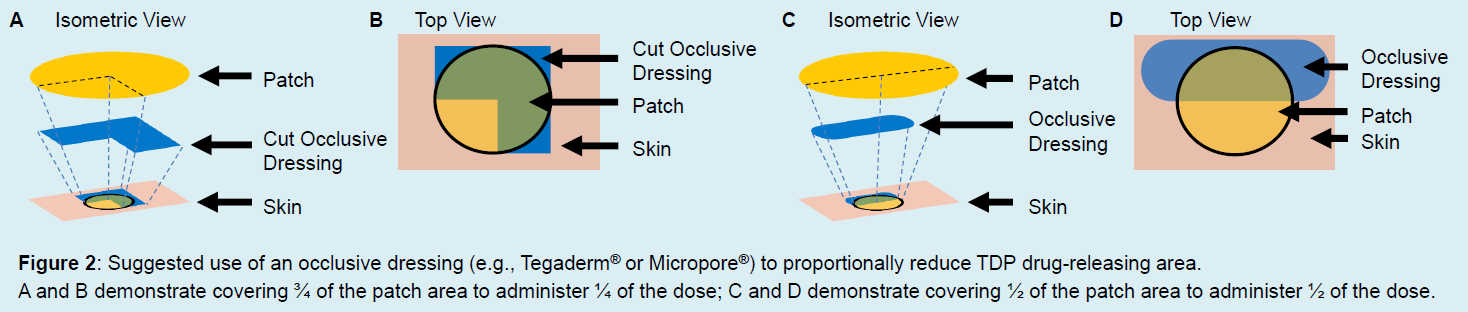
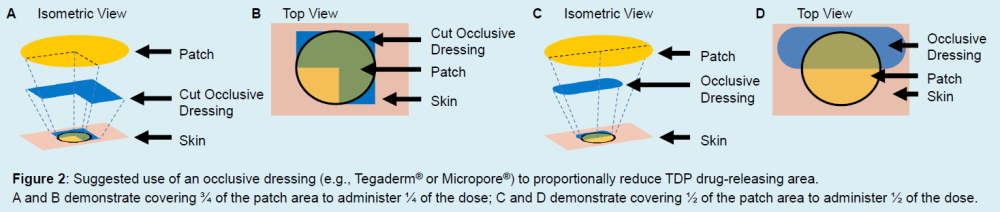
Branching off my other thread about acute limb ischemia in neonates, I would like to focus on using transdermal patches in neonates. In that case we used a nitroglycerin patch to localize vasodilation and facilitate blood flow to the ischemic limb. Sometimes topical administration of drugs may be required (e.g., palliative analgesia with fentanyl patches, local vasodilation with nitroglycerin patches), or treatment with a drug only available as a transdermal patch (scopolamine/hyoscine). Since there are no transdermal patches approved for use in children, as well as neonates, neonatal clinicians should understand how to safely manipulate transdermal patches and adapt them to the neonate based on limited evidence and pharmacological reasoning. Attached hereby is a poster presented a couple of years ago in EAPS 2024:Shaniv and Litvin - Transdermal Patches for Neonates.pdf It reviews the composition and pharmacology of transdermal patches, and demonstrates our preferred method of patch manipulation using partial covering rather than cutting patches, which is a common but hazardous practice: Welcome to share your experience - do you use transdermal patches in your NICUs? How often? In what way?

-
Neonatal acute limb ischemia (ALI) is an acute emergency condition which puts the infant at a risk for serious complications and adverse outcomes such as limb dysfunction and even amputation. Practices vary, and accumulated experience is relatively limited, since due to the rarity of this condition, it is based on sporadic cases and small case series (no RCTs or large-scale observational studies). We have had such a case a couple of years ago which resolved successfully. We seized this opportunity to review the literature and produce a summary of available modalities and published it in BMJ Case Reports. Here is the figure summarizing treatment modalities: Figure 3 Summary of available treatment modalities for ALI. It is recommended that the left-hand branch of the figure be maintained throughout the treatment; the middle branch should be implemented according to clinical status and available options and be adjusted according to the response of the patient; and the right-hand branch should be considered on a case-by-case basis with regard to the risk-to-benefit ratio. Figure is prepared by DS. *To be performed by a qualified specialist. †Usually not recommended in neonates; decision should be based on patient characteristics, clinical status and multidisciplinary consultation. ALI, acute limb ischaemia; LMWH, low-molecular-weight heparin; PNB, peripheral nerve block; tPA, tissue plasminogen activator; UFH, unfractionated heparin. We currently advise other units according to our experience. I hope this will help manage other similar cases. All are welcome to share their own experiences with acute limb ischemia in the NICU.

-
Great to hear that. To provide a sound and firm advice we have to be convinced about it (as much as possible in our evidence-limited area). To convince (and be convinced) we sometimes have to go deep, time permitting, and consult peers - 99nicu is excellent for that, as it connects professionals around the world. That's a great plan. It should help the mother preserve breastfeeding, with the hope to be able to gradually increase breastfeeding frequency, hopefully all the way to exclusive breastfeeding, subject to the infant's response, of course. Undetectable or negligible levels of carbamazepine in infant's serum surely support this direction. Hopefully brivaracetam levels will be low too, which may prevent the accumulation of the carbamazepine epoxide metabolite. It will be interesting to see the theoretical interplay we presented here in action. Please keep us posted, if possible, and good luck!
-
I am not familiar with this practice and indication, but here are some points that might help you 'connect the dots': This clinical practice guideline by the American Academy of Pediatrics (2022) includes a recommendation for IVIG therapy in Key Action Statements (KAS) 21: "Intravenous immune globulin (IVIG; 0.5 to 1 g/kg) over 2 hours may be provided to infants with isoimmune hemolytic disease (ie, positive DAT) whose TSB reaches or exceeds escalation of care threshold. The dose can be repeated in 12 hours. (Aggregate Evidence Quality Grade C, Option)". However, they state that "The effectiveness of IVIG to prevent the need for an exchange transfusion is unclear." The EMA summary of product characteristics (SPC) for Kiovig 10% does not provide such an indication, but it IS indicated for children 0-18 years of age, which includes neonates (no specific reference to premature neonates, however). In addition, the Paediatric Population subsection under 4.2 Posology states explicitly that "The posology in children and adolescents (0-18 years) is not different to that of adults as the posology for each indication is given by body weight and adjusted to the clinical outcome of the above mentioned conditions." For neonatal-specific recommendations for IVIG therapy you may consult the Australasian Neonatal Medicines Formulary (ANMF) monograph for intravenous immunoglobulins, but note that they refer to the product Privigen and not Kiovig, so make sure you note the differences in formulation, rate of administration and other relevant aspects (in our NICU we use Privigen too, in the rare instances we need IVIG therapy). Hope this helps!
-
Hi all, This is an open request to the community to share your policy about vancomycin therapeutic drug monitoring in your units. I anticipate a lot of variability 🙂 You may follow my structure or write your take freeform. Indications:Suspected or proven infection with gram-positive bacteria, usually MRSA. Also as prophylaxis around surgery (often as a single dose). Dosage:We currently strive to administer a loading dose of 20 mg/kg (this is a relatively new practice for us, for years our neonatologists refrained from vancomycin loading doses, possibly due to habit/tradition) regardless of infant age and renal function to reach steady state as quickly as possible. According to Jacqz-Aigrain et al., J Antimicrob Chemother, 2019, a loading dose of 25 mg/kg significantly increased the percentage of neonates reaching the target AUCss–24 of 400 mg·h/L. We prefer the slightly lower dose of 20 mg/kg. Following the loading dose we would administer doses of 15 mg/kg if no renal impairment is apparent, and we use NeoVanco to select the most appropriate dosing interval. NeoVanco is a freely available prediction tool developed by Adam Frymoyer, MD (Stanford University - Stanford Children's Health) according to a population pharmacokinetic model developed by Frymoyer A et al. (2014). It is not a 'full' Bayesian calculator, but rather a prediction tool for starting treatment (it is not possible to enter vancomycin serum levels to tailor dosage to the individual infant). It provides the estimated AUC and Ctrough for several dosage regimens, as well as the probability to reach AUC > 400 mg·h/L and Ctrough > 20 mg/L at steady state. Monitoring:In infants with no apparent renal impairment, we draw serum levels before the 4th dose. In extremely preterm infants (< 28 GA) or infants with renal impairment, we would draw serum levels before the 2nd dose. The most recent guidelines on vancomycin dosing and monitoring are the Rybak et al. guidelines (2020), which provide recommendations for adults, pediatric and neonatal patients, although most of the neonatal recommendations are based on the pediatric recommendations and it is stated that data are limited in that population. Dosing adjustment:Based on serum levels we may adjust the treatment regimen, preferably by adjusting dosing interval and not the dose (to avoid high peaks and troughs), although that may not always be possible/desired (sometimes we would prefer longer intervals to minimize tampering with the IV line to reduce risk of infections). We find the dosing adjustment recommendations of the Australasian Neonatal Medicines Formulary (ANMF) convenient and sensible. Limitations:We do not use a dedicated Bayesian vancomycin calculator (many Bayesian calculators we are aware of require a paid subscription and most do not offer a dedicated PK model for neonates. Additionally, our volume of vancomycin treatments may not justify such an expense), so in essence we still rely on Ctrough, which is not recommended anymore. We hope that the combination with the NeoVanco predictions helps us to avoid toxicity. We tried to utilize 1st order PK equations as an alternative to Bayesian calculations, but these require timed measurements and both peak and trough measurements, which complicate monitoring too much. We do not implement continuous infusions of vancomycin, even though in certain clinical scenarios it may seem suitable. This is still under debate in the literature. Speaking of literature, there are so many papers and texts of vancomycin monitoring in general and in neonates, that it is so easy to get lost and confused about the optimal course of action. Please share your thoughts and methods for the benefit of the community, thanks!

-
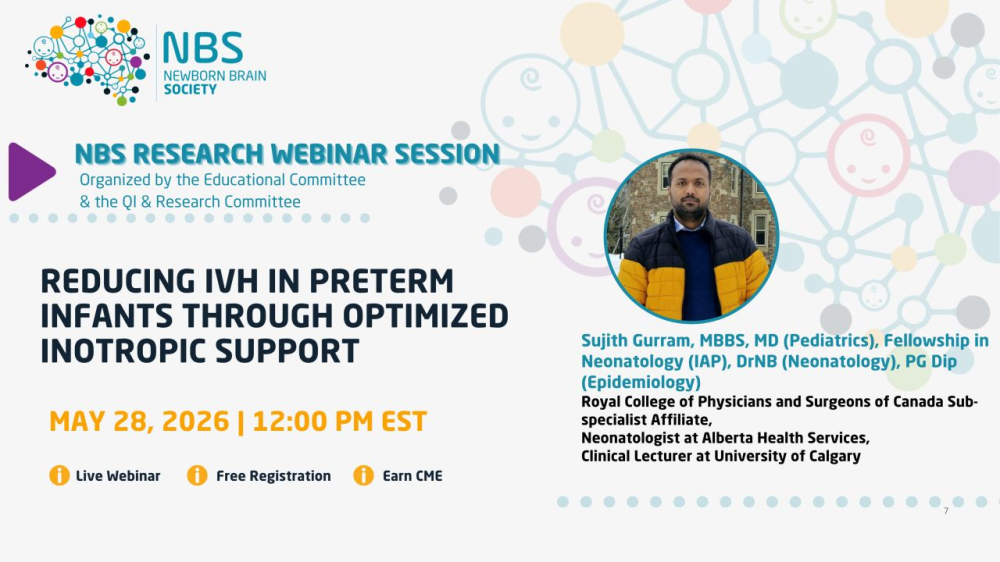
Join the Newborn Brain Society for this week's QI Educational Webinar session with guest speaker, Sujith Gurram, on Thursday (5/28) at 12pm EST: "Reducing IVH in Preterm Infants Through Optimized Inotropic Support" Registration is FREE, but please RSVP below to confirm your attendance and receive the link to attend: https://us02web.zoom.us/webinar/register/WN_TRxZzDcvRKO5VIrzmmwszw#/registration For more NBS webinars, visit their website: https://newbornbrainsociety.org/webinars-and-sessions/
-
Dotan S changed their profile photo
-
The Irish Medicines in Pregnancy Service (IMPS) at Rotunda Hospital, Dublin, hosted a webinar last week titled: "Supporting Safe and Effective Medicines Use in Pregnancy and Breastfeeding - Balancing Benefit and Risk". The recording and slides are currently available here. The webinar dealt with risk-benefit decision making in pregnancy, evaluating information, medication use in breastfeeding and risk communication and shared decision making. In addition, the speakers shared several sources for drug information in pregnancy and breastfeeding. All material is freely available, highly recommended to watch.

-
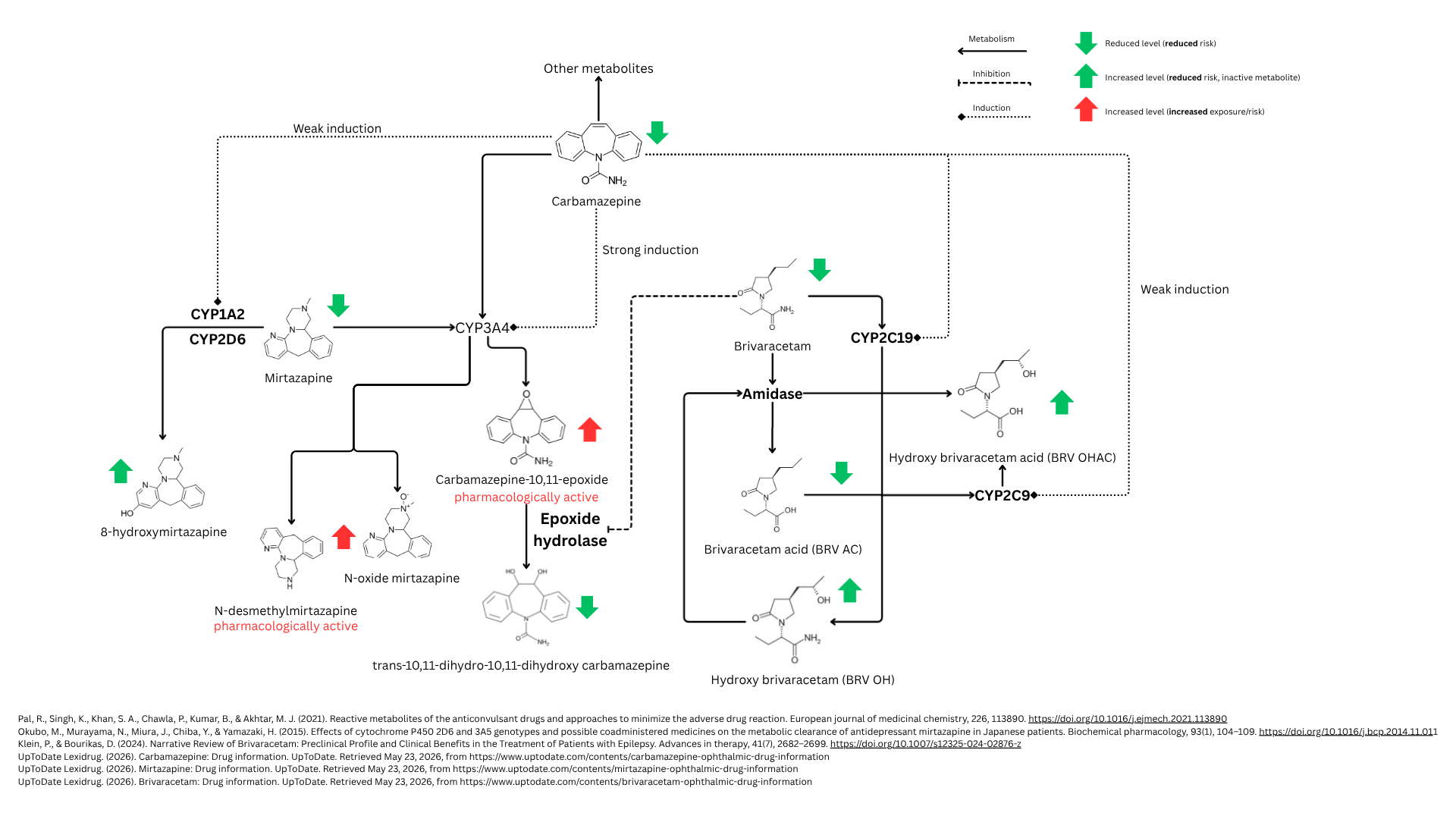
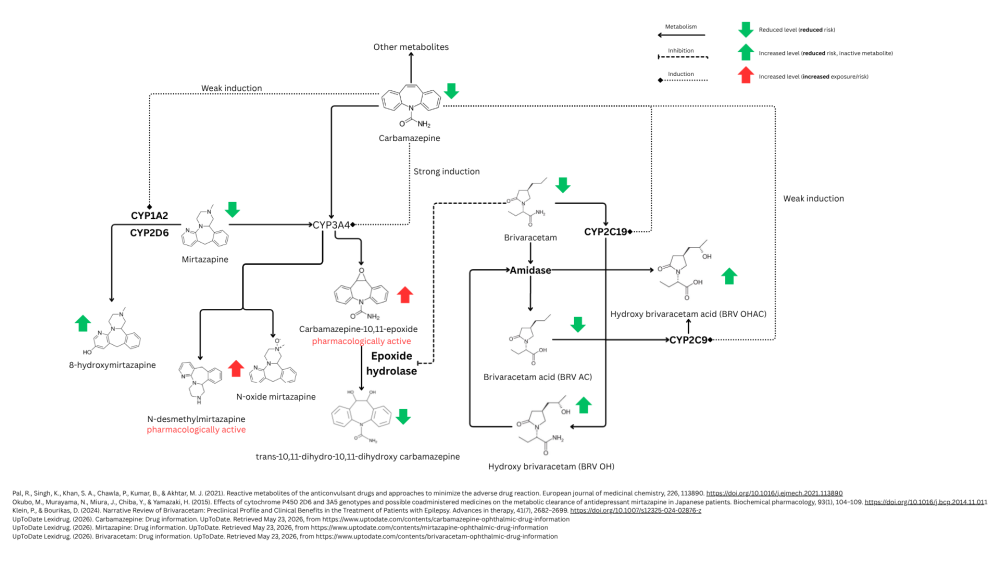
Hi Gustaf, This is indeed a complex clinical scenario that should be approached from several angles - mother, infant, drug and feeding. This approach was discussed only a few days ago in a webinar hosted by the Irish Medicines in Pregnancy Service (IMPS) (available for watching here, highly recommended). Taking these four pillars into consideration will help optimize care for both mother and infant. First, the drugs in question - let's summarize what we know about the metabolism of these drugs: • Carbamazepine is metabolized in the liver, mainly by the CYP3A4 enzyme, yielding the pharmacologically active metabolite carbamazepine-10,11-epoxide (as well as several other non-active metabolites). Carbamazepine also induces the activity of CYP3A4, CYP1A2 and CYP2C19 to varying degrees (primarily CYP3A4). • Brivaracetam is primarily metabolized by a CYP-independent hydrolysis and secondarily by hydroxylation mediated by CYP2C19. It also inhibits the enzyme epoxide hydrolase, which hydrolyzes the carbamazepine-epoxide metabolite. • Mirtazapine is metabolized via several hepatic enzymes: CYP2D6, CYP1A2 and CYP3A4. One of its metabolites is known to be pharmacologically active (N-desmethylmirtazapine). ** Please see the attached diagram for better clarity (hopefully...) ** Assuming steady state for all drugs, from this metabolism overview we can appreciate that maternal levels of brivaracetam and mirtazapine are expected to be lower than reported in the absence of carbamazepine, which is reassuring for mirtazapine, whose milk levels were not predicted to be high to begin with. We can put it aside and not worry about it. For brivaracetam, data on passage into breastmilk is limited, and the dose is very high (even supra-therapeutic per common guidelines), so milk levels would also be expected to be rather high, even if the overall AUC of the drug is somewhat decreased due to enzyme induction by carbamazepine. So as an interim summary: from a PK point of view, we are not worried about mirtazapine or its pharmacologically active metabolite N-desmethylmirtazapine. While the levels of the latter are expected to be higher in this scenario due to induction of CYP3A4, its baseline passage into milk is still expected to be rather low (cf. Kristensen et al. (2007). Transfer of the antidepressant mirtazapine into breast milk. British journal of clinical pharmacology, 63(3), 322–327. https://doi.org/10.1111/j.1365-2125.2006.02773.x). However, we are not comfortable with brivaracetam because its levels may still be relatively high. Now for carbamazepine: The parent drug is considered compatible with breastfeeding, although both it and its active metabolite (carbamazepine-10,11-epoxide) are known to pass into breastmilk (cf. Kacirova et al. (2022). Carbamazepine and carbamazepine-epoxide concentrations in mothers, colostrum, and breastfed newborns: Comparison with concentrations determined during delivery and in the mature milk period. Biomedicine & pharmacotherapy = Biomedecine & pharmacotherapie, 151, 113176. https://doi.org/10.1016/j.biopha.2022.113176). Considering the fact that the maternal dosage is rather high, this may translate into relatively high milk levels for both. Lactmed mentions that sedation, poor sucking, withdrawal reactions and 3 cases of hepatic dysfunction have been reported following exposure to carbamazepine in breastmilk. This is complicated by the fact that brivaracetam inhibits epoxide hydrolase, effectively increasing the risk for higher levels of carbamazepine's active metabolite, which has anticonvulsant and neurotoxic effects. So we could anticipate a higher exposure to the active metabolite. If we try to summarize pharmacokinetic interactions data, we may expect relatively high exposure to carbamazepine and brivaracetam based on high maternal doses, and to carbamazepine epoxide based on inhibition of its metabolism, alongside some unpredictable exposure to the active N-desmethylmirtazapine as mentioned above. All of these exposures may translate into adverse CNS effects in the infant, i.e., lethargy, poor sucking, impaired weight gain and such. Additionally, neonatal hepatic function should be taken into account, which MIGHT be lower than normal due to prematurity - most CYPs function at a fraction of adult function (usually 10-30% in the first weeks of life, depending on gestational age and comorbidities, and then slowly increasing with overall development). We can assume that neonatal clearance may be somewhat lower than a term infant, which may contribute to the already high exposure we anticipated. On the other hand, infant and maternal characteristics should be taken into consideration: This is a premature infant that needs human milk for optimal overall development, normal development of the immune system and lowering risk for NEC. In addition, he is in the NICU, under constant monitoring. Furthermore, the mother's medical condition is controlled and she is willing to breastfeed. Under proper guidance, this would benefit both mother and infant, not only physically, but also emotionally and would consolidate bonding and wellbeing for both. Therefore, the benefits of human milk provision in this case may still outweigh the risks mentioned above, but it should be done prudently. After integrating drugs, infant and maternal factors, I would suggest implementing mixed feeding, i.e., alternating between mother's own milk and donor milk (if available) at a ratio that seems reasonable for all involved ("start low, go slow"). @Mariana Oliveira rightly pointed out that you have already allowed him to be exposed to mother's own milk in small amounts with no adverse effects, so this is reassuring, but when talking about higher volumes, careful exposure management is still recommended. This may probably be the best course of action here until the infant's response to such potentially higher exposure would be more apparent. At any rate, mother should also avoid night feedings, as an epileptic postpartum patient must have regular, uninterrupted sleep to prevent seizures and to be able to function during the day. So the non-exclusive feeding pattern is essentially already there, and alternating between mother’s own milk and donor milk during the day may be optimal, at least until things get clearer. Then - if the infant shows no signs of adverse effects that may be attributed to the drugs - you could consider gradually increasing the volume of human milk over donor milk, hopefully up to exclusive or almost exclusive breastfeeding. I would refer here to @Mariana Oliveira's suggestion to time feeding in accordance with drugs PK characteristics (half-life, Tmax, etc.). This is indeed a valid approach, which can aid in reducing exposure, e.g., not feeding within Tmax, which is the period when drug levels are building in serum and milk, or attempting to time feedings when drugs are at minimal levels (trough). The only caveat here is that these methods work best when feeding schedule is more flexible and controllable, i.e., in older infants. In the NICU, when infants feed every 2-3 hours, it may be difficult to time feedings in accordance with drug characteristics. But this is definitely worth considering, and even if it is not feasible now, it may be feasible in the future when the infant grows (also if something changes, i.e., a new drug is introduced). The infant should be monitored as is customary in the NICU, also by the mother, who should learn to identify his habits, sleeping patterns, etc. Due to anticipated high exposure to carbamazepine, infant’s liver enzymes should be monitored regularly. Therapeutic drug monitoring for carbamazepine (which I assume is available in your facility) should also be considered for the infant, but this may be reserved for use only if other markers suggest high exposure, to avoid excessive blood draws, pain, etc. Finally, while the wellbeing and seizure control for the mother are of the utmost importance, seeing how she is controlled and seizure-free, I agree with @Mariana Oliveira that you could consider involving her neurologist to discuss lowering her dosage(s) carefully, to reduce infant exposure through milk while keeping the mother well. This is delicate of course, but might be considered via a joint discourse with her doctors (primary physician, neurologist) AND the mother herself. Please keep us posted, if possible. It would be interesting to know what transpires. If you happen to measure carbamazepine serum levels for mother and infant, we could even calculate relative infant dose (RID). Theoretically, this can also be estimated using published serum levels in, e.g., Lactmed, although serum levels under such doses as in this scenario are not available. Moreover, their warning regarding anticonvulsant medications should be heeded: "In published reports of anticonvulsant use during breastfeeding, most women were taking a combination of anticonvulsants. Some other anticonvulsants (e.g., phenytoin, carbamazepine) stimulate the metabolism of other drugs including anticonvulsants, whereas others (e.g., valproic acid) inhibit the metabolism of other drugs. Therefore, the relationship of the maternal dosage to the concentration in breastmilk can be quite variable, making calculation of the weight-adjusted percentage of maternal dosage less meaningful than for other drugs in this database." [Lactmed - Brivaracetam]. Good luck!
-
We do not use it. What is the indication?
-

View in the app
A better way to browse. Learn more.