_0b6494.png)
_5c07e1.png)
_0d1bd3.png)
_75149d.png)
(26).png.c97dc453b63ee0a4658a82af0237d93f.png)

-
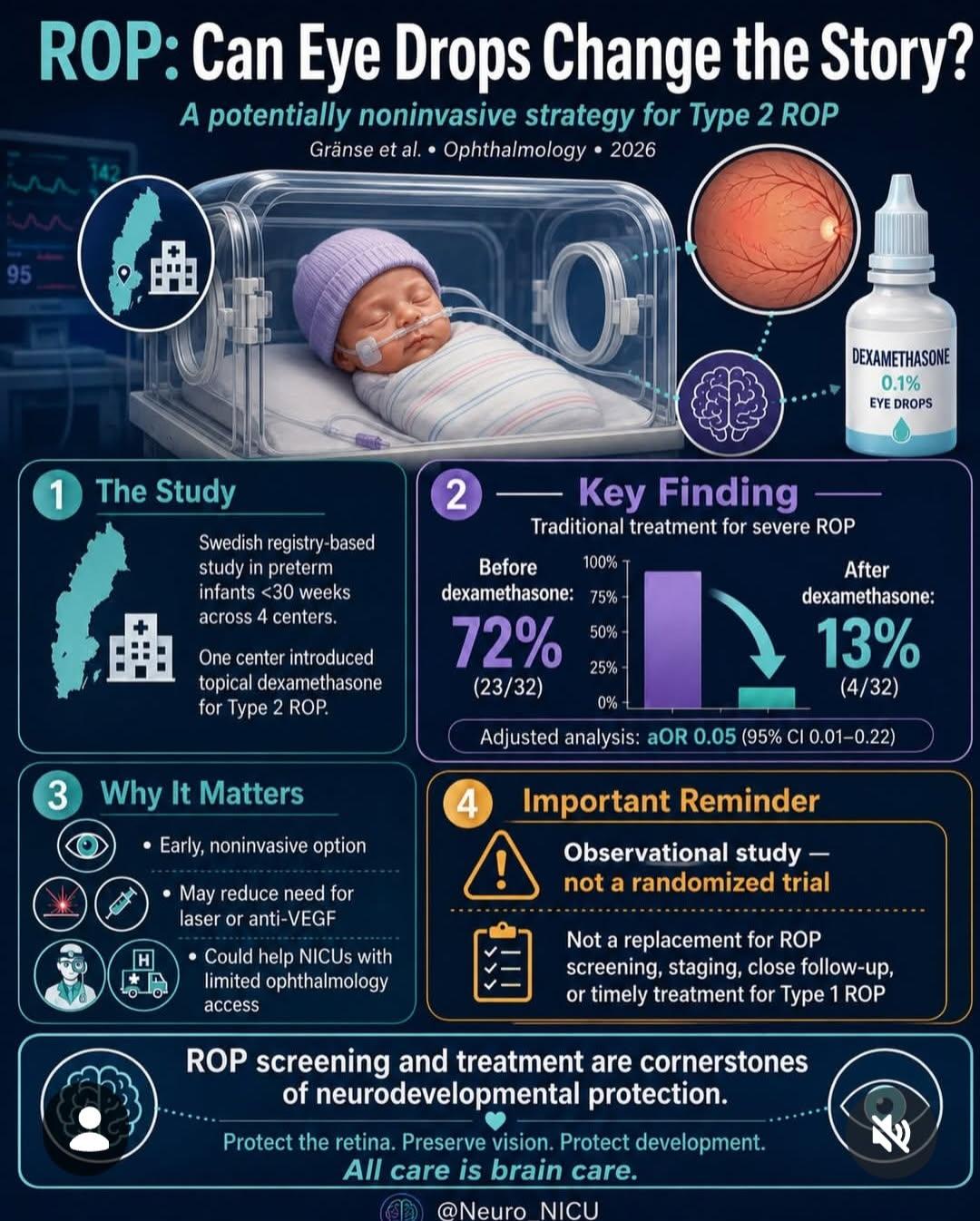
I currently work in a private hospital and I have worked in a public hospital that also has the function of being a teaching hospital. In both, pulse oximetry evaluation is practiced as a screening prior to discharge and if there is any alteration, they are referred to the pediatric cardiovascular surgery unit for examination by cardiac ultrasound for diagnostic confirmation or ruling out. This paper seems very complete to me for the analysis of why the universal pulse oximetry screening for critical congenital heart disease is a simple cheap addition to universal hearing and metabolic screening with undeniable benefits. Infants with undiagnosed life threatening congenital heart disease can be detected prior to closure of the ductus arteriosus, and prior to discharge from hospital. Infants who have such critical disease can have intervention, including surgery, with a lower mortality compared to infants who present after discharge who are often in shock at the time of diagnosis. Many bodies have come out in favour of universal pulse oximetry screening as a result. https://njl-admin.nihr.ac.uk/document/download/2002231Transient tachypnea of the newborn (TTRN) is a non-infectious disease that generally occurs in preterm infants (<37 weeks of gestation) or near term, born by cesarean section. It is characterized by a respiratory rate > 60x ́, and respiratory distress after the first six hours of life. It is due to retention of lung fluid with secondary air trapping. The elimination of lung fluid begins with labor up to 45%, six hours before birth, due to the increase in maternal catecholamines. This causes a functional change of the epithelial sodium channel (eNaC) which drives the absorption of sodium and lung fluid into the interstitium; later this fluid will be drained through the lymphatics and into the pulmonary venous circulation. The elimination of lung fluid begins with labor up to 45%, six hours before birth, due to the increase in maternal catecholamines. This causes a functional change of the epithelial sodium channel (eNaC) which drives the absorption of sodium and lung fluid into the interstitium; later this fluid will be drained through the lymphatics and into the pulmonary venous circulation. Elimination of lung fluid usually requires up to six hours; however, it can be obstructed, which increases the thickness of the alveolus-capillary membrane and promotes TTRN. Among the factors that hinder the drainage of lung fluid are: - Obstetric factors: Birth by cesarean section, prolonged labor, late clamping of the umbilical cord, maternal asthma, gestational diabetes, maternal disease (cervicovaginitis and UTI) in the first trimester of pregnancy and rupture of membranes (> 12 h). - Neonatal factors: Male newborn, Apgar < 7 points and macrosomia. A chest x-ray shows hyperaeration with eight to nine visible intercostal spaces, horizontalization of the rib cage, and flattening of the hemidiagraphs; cardiomegaly and parahilar interstitial infiltrate due to increased pulmonary vascularity (“hairy heart”). Gasometry: Shows mild respiratory acidosis and hypoxemia. Treatment: ir consists of increasing pulmonary capillary vasodilation and airway pressure, so that the air moves the liquid to the interstitium so that it can be absorbed in the pulmonary capillaries, which requires: 1. In case of severe respiratory distress and respiratory rate > 100 per minute, keep the patient fasting, with parenteral solutions. 2. Administration of 40% supplemental oxygen through the head shell. 3. If symptoms persist or respiratory difficulty increases, administer airway pressure to improve residual lung volume (nasal CPAP with FIO2 40 - 60%) 4. Avoid the use of diuretics, albumin infusions and hypertonic solutions. apm112j.pdfDetermine the limit of neonatal viability is desirable to avoid interventions that are costly, painful and unnecessary in the child who has no chance of survival. However, setting a threshold of viability is a major chal- lenge because it is uncertain which extremely premature newborn may have a reasonable chance of survival. Despite improvements in neonatal care in recent decades, extremely preterm infants continue to be at high risk for mortality and morbidity, including neurodevelopmental disability. The establishment of a limit of viability remains a complex and controversial issue, which must be based on multiple factors, besides gestational age, and which varies widely depending on the environment and the specific circumstances of the baby's birth. The uncertainty about the course of extremely premature babies makes it difficult to establish an accurate prognosis. I think that family participation, along with well-founded and honest information from healthcare personnel, is currently the preferred model for decision-making. The American Academy of Pediatrics statement on prenatal counseling recommends that decision-making be individualized and family-centered for deliveries between 22 and 24 weeks of gestation, taking into account fetal and maternal conditions and parental beliefs. The hospitalization of extremely premature babies will invariably be very prolonged and poses many challenging situations for parents. Ethical principles must guide every action carried out by health professionals during this extensive stay. At the margins of viability, the interaction between doctors and families, in addition to being a great challenge, is an opportunity to help parents, treating them with understanding, empathy and honest communication. https://doi.org/10.1016/j.clp.2017.01.009 https://doi.org/10.1542/peds.2015-2336Hi. The determination of FT4 in very premature and extremely premature newborns is standard care in national neonatal units and worldwide, however there is controversy about what levels are considered normal in this group of newborns. Thyroid function may be affected in newborns with hyaline membrane disease or respiratory distress and are associated with euthyroid sick syndrome. Newborns ≤ 32 weeks or very low weight <1,500g are a group of patients at risk of presenting thyroid dysfunction. Normal TSH concentrations in the screening test during the first days of life in premature infants do not rule out the presence of CH. Given the risk of false negatives in CH screening and the probability of thyroid dysfunction, it is suggested to repeat the analytical determination at 2 weeks of life, 4 weeks, when it reaches 1,500 g or at discharge. https://www.analesdepediatria.org/index.php?p=revista&tipo=pdf-simple&pii=S1695403321001727 https://www.scielo.cl/pdf/rcp/v89n2/0370-4106-rcp-89-02-00202.pdfI have observed that when the tip of the umbilical venous catheter is right at the bifurcation of the portal system: the rate of perfusion, the volume infused, and when parenteral nutrition is started, the osmolarity, are factors that can cause fluid extravasation through the intima of the vessels so fragile with the consequent accumulation of the same, forming an intrahepatic cavitation that sometimes, by echocardiographic images have been called "abscesses" whose cultures are obviously sterile; but there has been a risk of hemodynamic instability, transient alteration in liver function tests, and surgical drainage of said collection. For these reasons, I conclude like my predecessors, would also switch to a PICC line. With kind regards from Guatemala. https://www.medigraphic.com/pdfs/imi/imi-2020/imi202d.pdf https://www.ajronline.org/doi/pdf/10.2214/ajr.180.4.1801147?download=trueMore than a marker of hypoxia in perinatal asphyxia, which has great diagnostic relevance, it is an important indicator of the result of the adaptive metabolic changes from aerobic anabolism to anaerobic catabolism that the fetus has had to operate by redistributing the oxygenated blood flow to noble organs. such as the brain, heart and adrenal glands, sacrificing very large organs such as skin and muscle due to decreased transplacental oxygenation in those cases with intrauterine growth restriction. Together with the concomitant alterations of creatine phosphokinase and the elevation of uric acid measured at the time of birth, hand in hand with the presence of hyperlactatemic acidosis.Physiological leucocytosis is common in neonates. Leukemoid reaction is defined as a variable degree of leucocytosis with immature precursors, similar to that occurring in leukaemia but because of other causes. Leukemoid reactions are well-recognised in the neonatal intensive care unit population and are associated with antenatal corticosteroids, Down's syndrome, chorioamnionitis, funisitis and perinatal infections. However, extreme hyperleucocytosis, exceeding a white blood cell count of 100×109/l is rare. In the 7-year period from 2005 to 2012 three premature infants in our hospital presented with extreme hyperleucocytosis. Since there were no signs of neonatal leukaemia, transient myeloid disorder or leucocyte adhesion defect, a leukemoid reaction owing to antenatal corticosteroids, chorioamnionitis and funisitis was diagnosed. No obvious complications of hyperleucocytosis were observed. Therapy was not necessary and the leucocytes normalised spontaneously. In other hand, should consider bdp. https://pediatrics.aappublications.org/content/pediatrics/116/1/e43.full.pdfMeropenem plus amikacinwe use sildenafilat the past year (2009 of course) we treat with laser or crytherapy almoust 100 premies with ROP stage 2 or 3 or plus disease or threshold, and yes we use avastin in 10 patients with ROP resistant to therapy, only 5 patients wet well... i think avastin therapy is promisourius antimonoclonal therapy but we need to study more... i sugest you: 1) Intravitreal bevacizumab for post laser anterior segment ischemia in aggressive posterior ROP. Indian Journal of Ophthalmology octuber 2008;55 (1): 75-76. 2) Intraokulare Bevacizumab-Injektionen bei seltenen Indikationen – zwei Kasuistiken. Ophthalmologe 2008;DOI 10.1007/s00347-008-1782-3 © Springer Medizin Verlag 2008. 3) Intravitreal Bevacizumab in Aggressive Posterior Retinopathy of Prematurity. Ophthalmic Surg Lasers Imaging 2007;38:233-237. 4) Antivascular endothelial growth factor for retinopathy of prematurity. Current Opinion in Pediatrics 2009, 21:182–187. 5) “Intravitreal Injection of Bevacizumab (Avastin) for Treatment of Stage 3 Retinopathy of Prematurity in Zone I or Posterior Zone II” published in Retina 2008;28:831– 838. RETINA, THE JOURNAL OF RETINAL AND VITREOUS DISEASES 2009, 29(4): 562-568. 6) Our Experience After 1765 Intravitreal Injections of Bevacizumab: The Importance of Being Part of a Developing Story. Seminars in Ophthalmology, 22:109–125, 2007. 7) INTRAVITREAL INJECTION OF BEVACIZUMAB (AVASTIN) FOR TREATMENT OF STAGE 3 RETINOPATHY OF PREMATURITY IN ZONE I OR POSTERIOR ZONE II. RETINA 28:831–838, 2008. 8) Efficacy of intravitreal injection of bevacizumab for severe retinopathy of prematurity: a pilot study. Br. J. Ophthalmol. 2008;92;1450-1455. 9) OFF-LABEL USE OF INTRAVITREAL BEVACIZUMAB (AVASTIN) FOR SALVAGE TREATMENT IN PROGRESSIVE THRESHOLD RETINOPATHY OF PREMATURITY. RETINA 28:S13–S18, 2008 best for allsome times it happens, but i am agree with the "work up sepsis"In my oppinion, i prescribe antibiotics, prothrombin time and parcial tromboplastyn time correction, also Na and K deficiencys, albuminum transfusion depends off the plasma levels. Usually, i don't recommend ETT because those babies has a vascular and perfusion stroke, and i try to shared this paper... STATE-OF-THE-ART Sclerema neonatorum: a review of nomenclature, clinical presentation, histological features, differential diagnoses and management. Journal of Perinatology (2008) 28, 453–460Hi, i don't miss this conference, i will stay at the marriot wardman park hotel, maybe we have a 99nicu meeting

View in the app
A better way to browse. Learn more.